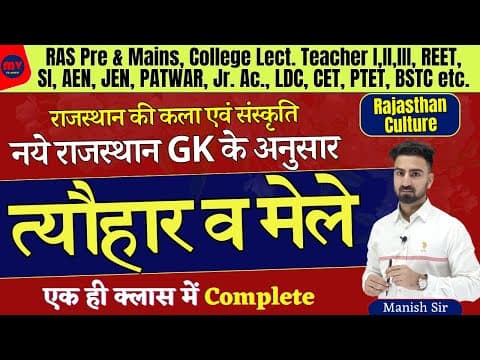
Rajasthan, known for its rich cultural heritage, is home to numerous fairs and festivals that reflect the vibrant traditions of the state. This guide aims to provide a detailed overview of these celebrations, their significance, and the best times to experience them.
In Rajasthan, fairs and festivals are not just events; they are a way of life. They bring communities together, celebrate traditions, and showcase the rich cultural tapestry of the region. This post will cover various festivals, including Hindu, Muslim, Jain, Sikh, and Sindhi celebrations, along with their associated fairs.
Hindu Festivals
1. Chaitra Navratri
- Date: Chaitra Shukla Pratipada
- Significance: Marks the beginning of the Hindu New Year and is dedicated to the worship of Goddess Durga.
- Fairs: Various fairs are held across the state, celebrating the arrival of spring.
2. Holi
- Date: Phalgun Purnima
- Significance: Celebrates the victory of good over evil and the arrival of spring.
- Fairs: Colorful fairs are organized, featuring music, dance, and traditional sweets.
3. Maha Shivaratri
- Date: Phalgun Krishna Chaturdashi
- Significance: Dedicated to Lord Shiva, this festival involves night-long vigils and prayers.
- Fairs: Fairs are held at various Shiva temples, attracting devotees.
4. Ram Navami
- Date: Chaitra Shukla Navami
- Significance: Celebrates the birth of Lord Rama.
- Fairs: Processions and fairs are organized in many towns.
5. Raksha Bandhan
- Date: Shravana Purnima
- Significance: Celebrates the bond between brothers and sisters.
- Fairs: Fairs often feature traditional sweets and gifts.
6. Teej
- Date: Shravana Shukla Tritiya
- Significance: Celebrates the monsoon and the bond of marriage.
- Fairs: Fairs include folk dances and songs.
7. Diwali
- Date: Kartika Amavasya
- Significance: Festival of lights, symbolizing the victory of light over darkness.
- Fairs: Markets are vibrant with decorations and sweets.
8. Govardhan Puja
- Date: Kartika Shukla Pratipada
- Significance: Celebrates Lord Krishna lifting the Govardhan Hill.
- Fairs: Fairs include traditional food and cultural performances.
Muslim Festivals
1. Eid-ul-Fitr
- Date: Shawwal 1
- Significance: Marks the end of Ramadan, a month of fasting.
- Fairs: Community feasts and prayers are held.
2. Eid-ul-Adha
- Date: Dhu al-Hijjah 10
- Significance: Commemorates the willingness of Ibrahim to sacrifice his son.
- Fairs: Celebrated with prayers and communal gatherings.
3. Mawlid al-Nabi
- Date: Rabi' al-Awwal 12
- Significance: Celebrates the birth of Prophet Muhammad.
- Fairs: Processions and gatherings are common.
Jain Festivals
1. Mahavir Jayanti
- Date: Chaitra Shukla 13
- Significance: Celebrates the birth of Lord Mahavir, the 24th Tirthankara.
- Fairs: Fairs are held at Jain temples with prayers and rituals.
2. Paryushana
- Date: Varies
- Significance: A time for spiritual reflection and forgiveness.
- Fairs: Community gatherings and prayers are organized.
Sikh Festivals
1. Baisakhi
- Date: April 13
- Significance: Marks the harvest season and the formation of the Khalsa.
- Fairs: Celebrated with processions and community meals.
2. Guru Nanak Jayanti
- Date: Kartika Purnima
- Significance: Celebrates the birth of Guru Nanak, the founder of Sikhism.
- Fairs: Fairs are held at Gurudwaras with prayers and langar (community meal).
Sindhi Festivals
1. Cheti Chand
- Date: Chaitra Shukla 1
- Significance: Celebrates the birth of Jhulelal, the patron saint of Sindhis.
- Fairs: Community celebrations and processions are organized.
2. Thadri
- Date: Bhadrava Krishna 7
- Significance: A festival dedicated to the worship of the Peepal tree.
- Fairs: Celebrated with rituals and community gatherings.
Conclusion
Rajasthan's fairs and festivals are a testament to its rich cultural heritage. Each festival is unique, offering a glimpse into the traditions and values of the people. Whether you are a local or a visitor, participating in these celebrations is a wonderful way to experience the vibrant culture of Rajasthan. Make sure to mark your calendars for these important dates in 2024!