This blog post delves into the philosophical implications of Sisyphus's eternal struggle, drawing on insights from thinkers like Albert Camus and Mihaly Csikszentmihalyi to explore the nature of happiness in the face of absurdity.
The story of Sisyphus, a figure from Greek mythology, presents a profound exploration of human existence and the pursuit of happiness. In this blog post, we will examine why Sisyphus is often considered happy, drawing on philosophical insights from notable thinkers such as Albert Camus and Mihaly Csikszentmihalyi.
Sisyphus was condemned by the gods to roll a boulder up a hill, only for it to roll back down each time he reached the top. This eternal struggle symbolizes the human condition, where individuals often find themselves engaged in repetitive and seemingly futile tasks.
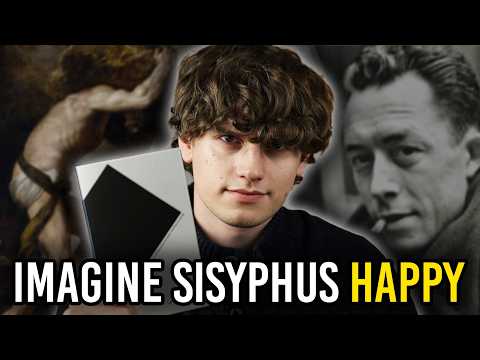
Albert Camus, a prominent philosopher, famously discussed Sisyphus in his essay "The Myth of Sisyphus." He argued that Sisyphus embodies the human spirit's resilience in the face of absurdity. Camus posited that the struggle itself toward the heights is enough to fill a person's heart. He famously stated, "One must imagine Sisyphus happy." This assertion challenges the notion that happiness is solely derived from achieving goals, suggesting instead that the journey and the act of striving can be fulfilling in their own right.
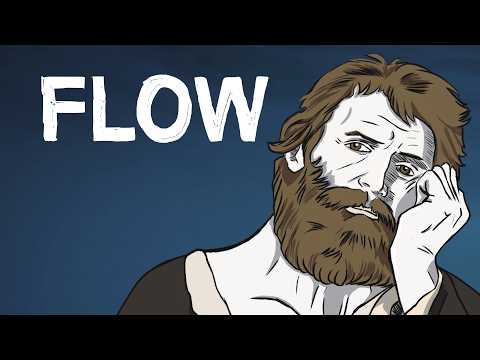
Mihaly Csikszentmihalyi, a psychologist known for his work on the concept of flow, provides further insight into Sisyphus's happiness. Flow is a state of complete immersion and engagement in an activity, where individuals lose track of time and self-consciousness. When Sisyphus pushes his boulder, he may experience a form of flow, finding joy in the process rather than the outcome. Csikszentmihalyi's research suggests that achieving flow can lead to greater satisfaction and happiness, even in tasks that seem monotonous or endless.
The juxtaposition of Sisyphus's eternal struggle with the idea of happiness raises important questions about the nature of fulfillment. Is happiness found in the completion of tasks, or can it be discovered in the act of striving itself? Both Camus and Csikszentmihalyi suggest that embracing the struggle, much like Sisyphus, can lead to a deeper understanding of happiness.
In conclusion, the story of Sisyphus serves as a powerful metaphor for the human experience. Through the lens of philosophers like Albert Camus and Mihaly Csikszentmihalyi, we learn that happiness may not solely reside in achieving our goals but can also be found in the journey and the act of perseverance. By embracing our struggles and finding meaning in our efforts, we can cultivate a sense of happiness akin to that of Sisyphus, who, despite his eternal task, remains a symbol of resilience and joy in the face of absurdity.