Markus Gabriel's philosophical exploration of what it means to be human reveals the complexities of our nature, the interplay between our animal instincts and rationality, and the ethical implications of how we define ourselves in relation to other living beings.
In this blog post, we delve into the philosophical insights of Markus Gabriel, particularly his exploration of anthropology and the question of what it means to be human. In his book "Der Mensch als Tier" (The Human as Animal), Gabriel presents a thought-provoking argument that challenges traditional definitions of humanity and our relationship with nature.
The inquiry into what it means to be human has been a central theme in philosophy, famously articulated by Immanuel Kant in his four fundamental questions. Among these, the question "What is the human?" encapsulates the essence of our philosophical exploration. Gabriel argues that the definition of humanity has evolved over time, influenced by empirical scientific discoveries and philosophical discourse.
Gabriel warns against essentialist positions that attempt to pin down a singular definition of humanity. Such definitions can lead to the dehumanization of those who do not fit the mold, as seen in historical contexts where indigenous populations were marginalized or exterminated. Instead, he posits that humanity is a plural concept, suggesting that we must embrace the diversity of human experiences and identities.
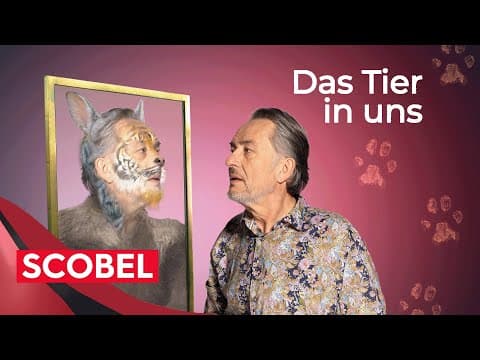
A significant aspect of Gabriel's argument revolves around the concept of the "animal within us." This term refers to the primal instincts and natural impulses that we often view as undesirable or uncontrollable. Society tends to label these instincts as the "animalistic" side of human nature, which we strive to tame through rationality and civilization.
Gabriel emphasizes that our understanding of the animal within us is shaped by our consciousness and ability to self-reflect. Humans possess a unique capacity to observe themselves from an external perspective, allowing us to categorize and sometimes alienate parts of our nature. This self-awareness leads to a complex relationship with our instincts, such as hunger and sexuality, which we often associate with our animalistic side.
Gabriel argues that as animals, we are intricately connected to the natural world. Our actions have ecological implications, and our self-definition as humans is intertwined with our ethical responsibilities towards other living beings. He asserts that our understanding of nature has evolved alongside our self-perception, influenced by historical and ecological transformations.
While we are undeniably part of the animal kingdom, Gabriel highlights that we are also rational beings capable of ethical reasoning. This duality complicates our self-definition, as we navigate the tension between our animal instincts and our aspirations for higher moral understanding. The interplay between nature and spirit is central to our identity as humans.
Gabriel critiques the traditional view that defines animals in relation to humans, often portraying them as deficient beings lacking reason or consciousness. This anthropocentric perspective leads to a misunderstanding of what it means to be an animal. He argues that our definitions of animals are often projections of our insecurities about our own nature.
The anthropological difference that supposedly sets humans apart from animals is not inherently based on objective observations of other species but rather on our self-imposed definitions. Gabriel suggests that we should start from an empirical standpoint, observing the diversity of life around us without preconceived notions of superiority.
The implications of Gabriel's insights extend into the realm of ethics, particularly in how we treat other living beings. By recognizing that our definitions of humanity and animality are flawed, we can begin to reshape our ethical frameworks. Gabriel calls for a normative redesign of social values that acknowledges our interconnectedness with nature.
In conclusion, Gabriel emphasizes the need for humanity to take responsibility for defining who we are and who we aspire to be. The ecological transformations we face require a collective effort to rethink our relationship with nature and other living beings. As we navigate these challenges, we must engage in a deeper understanding of our own nature and the ethical implications of our actions.
Gabriel's exploration of the human condition invites us to reflect on our identity, our instincts, and our responsibilities towards the world around us. By embracing the complexities of our nature, we can foster a more compassionate and ethical approach to living in harmony with all forms of life.