This blog post delves into the complex identity of Black Indians, particularly focusing on the Wampanoag tribe's rich heritage that intertwines Native American and African roots. It discusses personal experiences, cultural values, and the historical significance of mixed ancestry within the tribe, highlighting the importance of community and cultural preservation.
The identity of Black Indians, particularly those from the Wampanoag tribe, is often misunderstood and misrepresented. This blog post aims to shed light on the unique cultural heritage that combines Native American and African roots, exploring personal narratives and historical contexts that define this identity.
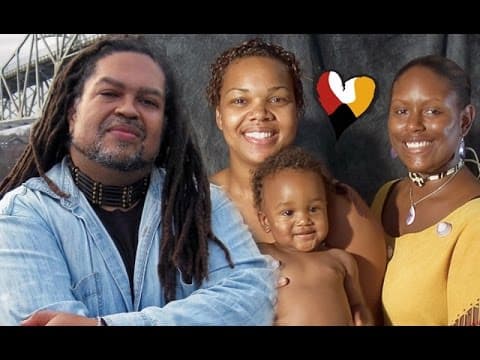
When asked about their identity, many individuals face the perplexing question: "You're an Indian? Well, yes, but you're black?" This duality often leads to confusion and assumptions about what it means to be both Black and Native American. The speaker reflects on their upbringing, emphasizing that despite not fitting the stereotypical image of a Native American, their cultural roots are deeply embedded in the Wampanoag traditions.
Growing up in an urban environment, the speaker identified as either Spanish or African American, yet their true cultural identity was shaped by the teachings of the Wampanoag tribe. The concept of tribe is rooted in familial connections, where everyone is related, and this sense of belonging is crucial to understanding their identity. The speaker notes that many people do not recognize them as Native American, often mistaking them for white or Spanish, which highlights the broader issue of visibility and recognition of mixed heritage individuals.
The speaker acknowledges that in today's world, few people can claim to be of pure descent. They share their personal experience of being raised more by their Native American grandmother than their African grandmother, illustrating the blend of cultures that shapes their identity. This mixed ancestry is not a dilution of their heritage but rather a testament to the rich tapestry of their family history.
The Wampanoag people have a long history that includes significant interactions with early European settlers. The speaker recounts their family tree, tracing lineage back to a black sea captain named Peter, who was not a slave but a whaling industry pioneer. His marriage to a Native woman in Martha's Vineyard symbolizes the intermarriage and cultural blending that has occurred over generations.
Historically, the Wampanoag tribe has been a refuge for people of color, particularly after the Dred Scott decision. They actively supported freedmen and escaped slaves, offering safety and community. This welcoming nature is rooted in the tribe's understanding of identity, which transcends color and is based on community membership.
Crispus Attucks, a notable figure of Nauset Wampanoag lineage, was one of the first casualties of the Boston Massacre. His legacy serves as a reminder of the contributions of Black Indians to American history and the ongoing struggle for recognition and respect.
The speaker emphasizes that the Wampanoag community encompasses a wide range of appearances and backgrounds. Despite the diversity in skin color and features, what unites them is their shared culture and the continuation of their traditions. The return of their language is a significant step in reclaiming their identity and heritage.
The identity of Black Indians, particularly within the Wampanoag tribe, is a complex interplay of culture, history, and community. Understanding this identity requires acknowledging the rich heritage that comes from both Native American and African roots. As the speaker illustrates, being part of the Wampanoag tribe is not solely about racial identity but about belonging to a community that values its history and cultural practices. This narrative serves as a powerful reminder of the importance of recognizing and celebrating the diverse identities that make up the fabric of American society.