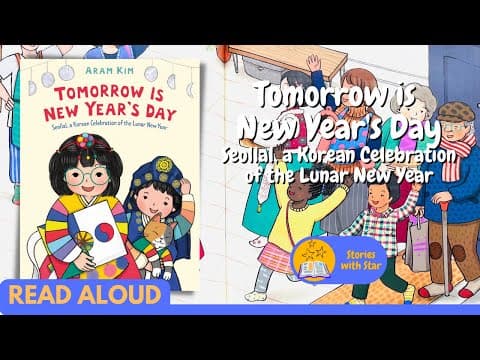
This blog post delves into the vibrant traditions of Seollal, the Korean Lunar New Year, as experienced by Mina and her classmates. It highlights the significance of family, traditional attire, festive foods, and games that bring joy and cultural appreciation during this special holiday.
Seollal, or Lunar New Year's Day, is a cherished holiday in Korea, celebrated with various traditions that emphasize family, respect, and cultural heritage. In this blog post, we will explore the delightful experiences of Mina, a young girl who eagerly anticipates this special day, and the customs that accompany it.
Mina's favorite day of the year is Seollal, and she is thrilled to share the traditions of this holiday with her classmates. As her family prepares to visit her school, Mina proudly wears her hanbok, a traditional Korean dress that is both beautiful and colorful. Her classmates admire her outfit, showcasing the vibrant culture of Korea.
During the school day, Mina introduces her friends to various Seollal traditions. One of the first activities is learning how to play jackie chucky, a traditional game, and pompeiyan, which adds to the festive atmosphere. Mina also demonstrates sebae, a New Year's greeting that shows respect for elders. This involves a specific bowing technique that requires balance and grace, emphasizing the importance of respect in Korean culture.
In return for performing sebae, elders offer children well wishes for the new year and give them sebae don, which are lucky money gifts. The children excitedly keep their sebae don in their jumoni, a lucky bag, symbolizing good fortune for the year ahead.
As the day progresses, Mina's mother introduces the class to traditional Korean candies, enhancing the festive spirit. The highlight of the celebration is the preparation of tteokguk, a special rice cake soup that is traditionally eaten during Seollal. Mina guides her classmates through the cooking process, which includes:
The delicious aroma fills the room, and the children eagerly anticipate tasting the tteokguk. Mina explains that in Korean tradition, one becomes a year older after finishing a bowl of this soup, leading to playful banter among her friends about wanting to eat more to age faster.
After enjoying the meal, the class splits into two teams to play yutnori, a traditional Korean board game. This game is not only entertaining but also fosters teamwork and friendly competition among the children. The laughter and excitement reflect the joy of the holiday, as they celebrate together.
As the day comes to an end, Mina's teacher expresses gratitude for the family's participation in sharing their traditions. Mina's excitement for Seollal is palpable, and she invites her friends to join her family for the celebrations the next day, emphasizing the inclusive nature of this holiday.
Seollal is a time for family gatherings, cultural appreciation, and joyful celebrations. The traditions of sebae, tteokguk, and yutnori not only enrich the holiday experience but also strengthen the bonds of family and community.
What Seollal traditions would you like to try?