The King Abdulaziz Camel Festival in Saudi Arabia showcases the cultural significance of camels through racing and beauty contests. With a blend of tradition and modern technology, the festival highlights the country's evolving identity and the importance of preserving heritage amidst change.
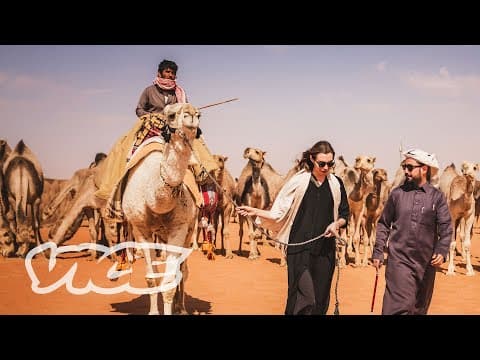
Saudi Arabia has long been known as one of the most challenging countries to visit, but recent years have seen a shift towards welcoming foreign visitors, including members of the press. One of the most significant events that exemplifies this cultural openness is the King Abdulaziz Camel Festival, held annually outside the capital city of Riyadh. This month-long celebration honors the camel, an animal that holds a special place in the hearts of Saudis, having served as transportation, food, and even currency for centuries.
The festival is not just a showcase of camels; it is a high-profile event attended by the elite of Saudi society, including the King himself. The presence of such dignitaries reflects the country's ongoing transformation as it navigates a period of significant change. As Saudi Arabia aims to redefine its identity by 2030, events like this serve as a reminder of the nation’s roots and regional identity, celebrating the camel as a symbol of heritage.
One of the festival's main attractions is camel racing, which has a rich history dating back to the seventh century. Over the course of the month, approximately 8,000 camels compete for millions of dollars in prizes, drawing comparisons to horse racing. However, camel racing features unique elements, such as an eight-kilometer track set in the desert, and the use of robotic jockeys. These robots, equipped with loudspeakers, allow owners to communicate commands to their camels via walkie-talkies, enhancing both safety and performance.
The integration of technology into camel racing has revolutionized the sport. Unlike traditional horse racing, where human jockeys can slow down the pace, robotic jockeys ensure a faster and safer race. However, with significant financial stakes involved, strict regulations are in place to prevent foul play. Race organizers conduct thorough checks for any signs of cheating, including the use of devices that could harm the camels.
While speed is a major draw for many, others at the festival are more interested in the camel beauty contest. This competition evaluates the aesthetic appeal of herds of camels, with judges assessing their collective attractiveness. The stakes are high, as the most beautiful camels can be worth millions. This year, the contest faced controversy when several camels were disqualified for receiving Botox injections to enhance their appearance. In response, the festival has increased its screening measures to ensure fairness and integrity in the competition.
Judges meticulously inspect each camel, looking for signs of cosmetic enhancements. They employ various methods, including feeding the camels treats to observe their natural movements. The sheer volume of camels to be checked is staggering, with one judge noting that they would inspect 1,300 camels in a single day.
Among the participants is Naif, a contestant who walked his herd of 100 camels across the desert for 15 days to reach the festival. He expresses pride in his camels, which he believes are the most beautiful in the Gulf region. The value of these camels is immense, with some worth as much as one million riyals, equating to approximately half a million dollars.
Naif balances his passion for traditional pursuits with a modern career in investment banking, reflecting the duality of life in contemporary Saudi Arabia. He acknowledges the changes occurring in the country but remains hopeful that traditions will endure, albeit in a transformed manner.
As the festival progresses, Naif eagerly awaits the announcement of the winners. The tension builds as he refreshes Twitter for updates, illustrating the blend of tradition and modernity that characterizes the event. When the results are finally revealed, Naif's camels place second, a bittersweet outcome that leaves him both proud and disappointed.
The closing ceremony of the festival is a grand affair, showcasing the winning camels in front of the King and other dignitaries. This spectacle underscores the importance of camels in Saudi culture, serving as a source of national pride and regional solidarity. While camels may no longer be the primary means of transport or sustenance, they continue to play a vital role in the identity of Saudi Arabia, bridging the gap between tradition and the future.