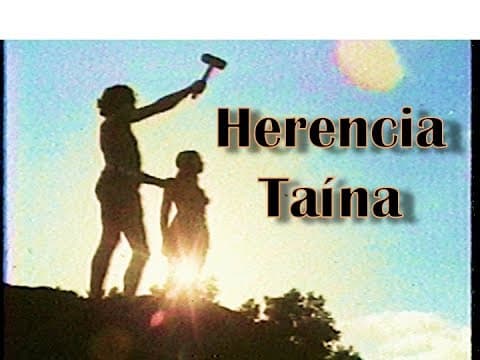
This blog post delves into the rich cultural heritage of the Taíno people, their way of life, agricultural practices, social structure, and the impact of European colonization on their existence, highlighting the enduring influence of Taíno culture in modern Puerto Rico.
Puerto Rico is a melting pot where three major races of humanity—Indigenous, European, and African—have blended over five centuries. The legacy of the Taíno Indians, the original inhabitants of Boriquén, continues to thrive in the physical characteristics of many Puerto Ricans today.
When Christopher Columbus arrived on the shores of Puerto Rico, the Taíno were the sole inhabitants. They lived in communities known as yucayeques, situated near the coast or in the valleys alongside rivers. Their homes, called bohíos, were constructed from wood and straw, and furnished minimally, with hammocks being the primary piece of furniture, woven by women using cotton and maguey fibers.
The Taíno people relied heavily on agriculture, with maize being one of their most vital crops. The cultivation of maize was a meticulous process, monitored from observation towers to protect against birds and other animals. Women played a crucial role in this agricultural system, dedicating significant time to planting and harvesting. They would bury maize seeds in small mounds and carefully weed the plants to ensure a bountiful harvest.
In addition to maize, the Taíno also cultivated yuca, which was processed into casabe, a type of bread essential to their diet. Fishing complemented their agricultural practices, as they caught fish from rivers and the sea, teaching their children these vital skills from a young age.
Life in a Taíno community was characterized by harmony with nature. Each member had specific responsibilities, with men primarily handling house construction and hunting small game, while women managed agriculture and food preparation. The Taíno also engaged in recreational activities, with the game of pelota being a favorite pastime, often played in the batey, or community plaza.
The Taíno were skilled artisans, particularly in pottery. Women crafted clay pieces, decorating them with intricate geometric designs that showcased their artistic sensitivity. They also excelled in weapon-making, using stones and wood to create tools for hunting and defense.
The Taíno believed in an afterlife and conducted elaborate burial ceremonies. They buried their dead in hammocks, accompanied by valuable possessions, and sometimes even the favorite wife of a chief. Their spiritual life included the worship of a supreme god, Yocahu, and various lesser deities, with rituals often led by the cacique (chief) and the bohique (shaman).
The arrival of the Spanish brought significant changes and challenges to the Taíno way of life. Initially, the Taíno viewed the Spaniards with awe, believing them to be immortal due to their appearance and weaponry. However, this perception quickly shifted as the harsh realities of colonization set in. The Taíno faced violence, forced labor, and diseases brought by the Europeans, leading to a dramatic decline in their population.
One notable event was the rebellion led by the cacique Guarionex against Spanish authority, which highlighted the Taíno's struggle for freedom. Despite their efforts, the combination of warfare, exploitation, and disease severely diminished their numbers.
Despite the tragic decline of the Taíno population, their cultural and biological heritage persists in modern Puerto Rico. The spirit of hospitality, a core aspect of Puerto Rican identity, can be traced back to Taíno traditions. The blending of cultures through mestizaje has ensured that the essence of the Taíno people continues to influence Puerto Rican society today.
In conclusion, the Taíno legacy is not just a historical footnote but a living part of Puerto Rican culture, reminding us of the resilience and richness of Indigenous heritage in the face of adversity.