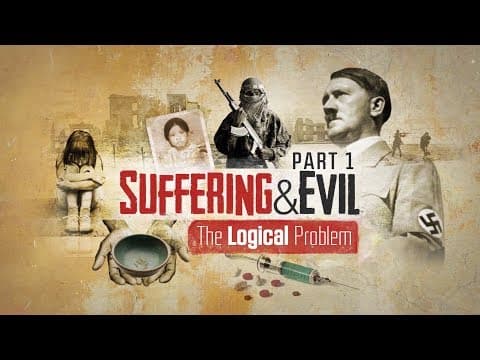
The logical problem of suffering and evil questions the existence of an all-loving, all-powerful God in light of the suffering in the world. This blog post examines the assumptions behind this argument, the implications of free will, and the ongoing debate among philosophers regarding the compatibility of God and suffering.
The existence of suffering and evil in the world raises profound questions about the nature of God. Many people grapple with the dilemma: how can an all-loving, all-powerful God coexist with horrific suffering and unthinkable evil? This inquiry is famously framed by the ancient philosopher Epicurus, who posed a logical problem regarding the existence of God in the face of evil.
Epicurus articulated the logical problem of suffering and evil as follows:
This argument suggests that it is logically impossible for both God and suffering to exist simultaneously. Given that suffering is a well-documented reality, the conclusion drawn is that God does not exist. But is this argument sound? Let's delve deeper.
At first glance, the statements presented by Epicurus may seem logically inconsistent. However, to understand the argument fully, we must examine the hidden assumptions that underpin it.
The first assumption is that if God is all-powerful, He can create any world He desires. However, this raises a critical question: what if God desires a world populated by beings with free will? It is logically impossible for God to force someone to freely choose to do good. The concept of forcing free choices is inherently contradictory, akin to the idea of creating a square circle. Thus, the notion that God can create a world where everyone always chooses good may not be feasible, which undermines the first assumption.
The second assumption posits that an all-loving God would prefer a world devoid of suffering. However, this assumption is not necessarily true. Throughout history, we have witnessed instances where suffering is permitted to achieve a greater good. If it is even conceivable that God allows suffering for a higher purpose, then we cannot definitively claim that God would prefer a world without suffering.
For the logical problem of suffering and evil to hold, the atheist must demonstrate that it is logically impossible for free will to exist alongside suffering, and that God cannot have justifiable reasons for permitting suffering. This is a significant burden of proof that is challenging to meet. It remains plausible that both God and suffering can coexist.
Due to these considerations, many philosophers, including those who identify as atheists, have moved away from the logical problem of evil. It is increasingly recognized that the existence of evil does not necessarily contradict the core tenets of theism. While some philosophers have argued that the presence of evil is incompatible with a theistic God, few have succeeded in substantiating such a sweeping claim. The consensus is that the logical argument against God’s existence based on suffering is fundamentally flawed.
Despite the shortcomings of the logical problem of evil, the discussion is far from over. Philosophers continue to explore the probability version of the problem of evil, which examines the likelihood of God’s existence in light of the suffering present in the world. This nuanced debate invites further inquiry into the nature of God, free will, and the complexities of human experience.
In conclusion, while the logical problem of suffering and evil presents a compelling challenge to theistic belief, it ultimately fails to establish a definitive contradiction between God and the existence of suffering. The dialogue surrounding this issue remains vibrant and essential as we seek to understand the profound mysteries of existence.