The Mosuo people, living near Lugu Lake in China, represent one of the last matriarchal societies in the world, where women hold the primary roles in family and society. Their unique culture, characterized by 'walking marriages' and a strong emphasis on female leadership, faces challenges from modernization and changing social dynamics. This blog post delves into the daily lives, traditions, and evolving perspectives of the Mosuo people, highlighting the balance between ancient customs and contemporary influences.
We’re high up in the mountains in the southwest of China, near the Burmese border, on our way to meet the Mosuo people, known as the Land Where Women Rule. This week-long journey aims to uncover the daily lives of one of the world’s last matriarchies.
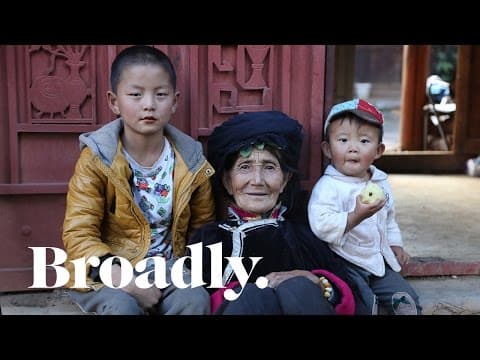
The Mosuo tribe, comprising around 40,000 individuals, resides in the foothills of the Himalayas. They practice Tibetan Buddhism and are renowned for their distinctive family structure. In Mosuo culture, women are the heads of households, and inheritance is passed from mother to daughter. Instead of traditional marriages, they practice what is known as "walking marriages," allowing women to have multiple partners throughout their lives.
Reaching Lugu Lake from the nearest city, Lijiang, involves an eight-hour drive along high-altitude dirt roads. This region is one of the least developed in China, lacking nearby railroads. Upon arrival, we were surprised to encounter numerous Chinese tourists, contrasting with the remote and timeless feel of the area.
At the local museum, we learned about the Mosuo family dynamics. A young girl explained that in a matriarchal family, there is no father role; instead, the grandmother holds the most power. After turning 13, girls move into their own rooms in the Flower House, where they can begin their walking marriages. Boys visit girls at their homes and return to their families the following morning.
The famous walking marriage bridge, intended for romantic encounters, was bustling with tourists taking selfies rather than couples on dates. A local girl named Luce shared her experiences of dating on the bridge, describing how walking marriage allows for flexibility in relationships. If a bond fades, couples can part ways without the societal pressures typical in traditional marriages.
While the Mosuo culture allows women to date freely, it also places significant responsibilities on them. Women manage households, care for children, and often work in the fields, while men typically have less pressure and more leisure time. This dynamic leads to a unique balance where women are the primary providers, yet men still play roles in family life, particularly with their sisters' children.
During a dinner invitation at Luce's home, we witnessed the self-sufficiency of her family. They produced their meals from their own fields, relying on local resources. The concept of supermarkets is relatively new to them, and many Mosuo earn less than $200 a year.
We also visited Aqi Duzima, a renowned craftswoman in the community. She explained how Mosuo embroidery is not only a cultural heritage but also a source of income, with their products being sold across China. However, there is concern about the younger generation's interest in traditional crafts, as many are drawn to modern opportunities outside their community.
As modernization encroaches on the Mosuo way of life, many young people express a desire to explore the outside world. While some wish to maintain their traditions, others are eager to embrace new lifestyles, leading to a generational divide in perspectives.
Conversations with older Mosuo women revealed a deep appreciation for their culture, despite the hard work it entails. They emphasized that while women carry significant responsibilities, they also inherit property and maintain family stability. The matriarchal structure, while demanding, provides a sense of security and continuity.
As we concluded our visit, it became clear that the Mosuo people are at a crossroads. The younger generation is increasingly drawn to urban life, with many leaving their villages for opportunities in cities. This shift raises questions about the future of Mosuo traditions and whether they can survive in a rapidly changing society.
The Mosuo culture, with its unique practices and matriarchal structure, offers a fascinating glimpse into an alternative way of life. While the challenges of modernization loom large, the resilience of the Mosuo people and their commitment to their heritage may yet preserve their traditions for future generations. As they navigate the complexities of modern life, the Mosuo continue to embody a rich cultural legacy that is both inspiring and thought-provoking.