The Rice Terraces of the Philippine Cordilleras exemplify the ingenuity and determination of early Filipinos, showcasing a unique blend of culture and nature. This blog post delves into the history, archaeological significance, and ongoing conservation efforts surrounding these iconic terraces, emphasizing their importance in Filipino identity and heritage.
The Rice Terraces of the Philippine Cordilleras stand as a monumental achievement of early Filipinos, showcasing their determination and hard work in conquering a challenging environment. This blog post takes you on a journey through the history, significance, and ongoing conservation efforts surrounding these iconic terraces.
Nestled in the mountains of the Cordillera region in the province of Ifugao, the Rice Terraces are a testament to what early Filipinos accomplished long before the arrival of Spanish colonizers. Each family built their own terraces, working independently to cultivate rice in a landscape that seemed almost impossible to farm. This monumental human achievement began with individual families striving to feed themselves, gradually transforming the mountainsides into a breathtaking agricultural landscape.
The Rice Terraces are not just agricultural feats; they represent a unique fusion of nature and culture, creating an incredibly beautiful landscape that serves as a monument to life. They also connect early Filipinos with the outside world, as evidenced by archaeological findings. Dr. Steven Aabad from the University of Guam is part of a new generation of archaeologists investigating the historical significance of Ifugao and the origins of the Rice Terraces. His research aims to document a pre-Hispanic Ifugao village, marking a significant milestone in Philippine archaeology.
The Old Kangan Village was chosen as the first site for the Ifugao archaeological project due to its mention in local legends and songs. The discovery of bowls resembling traditional ceramics indicates that the settlers had interactions with lowlanders, suggesting a rich cultural exchange. Dr. Aabad posits that the Ifugao who settled in this region were likely rice producers from other areas, bringing their agricultural knowledge and technology to cultivate rice and construct terraces.
The Rice Terraces were removed from the UNESCO World Heritage in Danger list in 2012, thanks to the concerted efforts of the local community and support from the national government. Joy Mananghaya, a respected heritage specialist, emphasizes that it was the dedication of the people working in the fields that made this achievement possible. The World Heritage Committee praised the Rice Terraces as a rare global example of successful conservation through local community efforts.
Representative Teddy Baguilat Jr. has been instrumental in garnering national attention and investment for the province of Ifugao, focusing on the conservation of the Rice Terraces. The master plan for conservation, finalized in 2004, involved extensive consultations with farmers, tribal leaders, and local executives, ensuring that the voices of the community were heard.
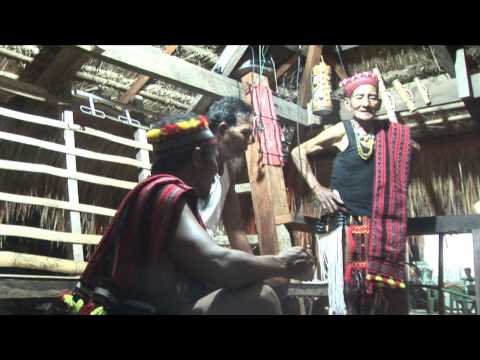
During a visit to Ifugao, the importance of preserving cultural heritage became evident. Many families have migrated to urban areas, leaving their rice fields behind. Mani Duawan, a local elder, reflects on the challenges of maintaining cultural practices in the face of modernization and the adoption of Christianity, which has led to a decline in traditional agricultural rites.
Preserving heritage is not solely about maintaining traditions; it also involves meeting the needs and expectations of the community. There is a pressing need to explore economic options for farmers while advocating for the appreciation of their culture. The connection between the Rice Terraces and family ties is crucial, although it is challenging to quantify in economic terms.
As Joy and I explored various Rice Terraces sites, we were heartened to see that Ifugao culture is thriving. Schools are teaching the younger generation about the importance of preserving their heritage. The future of the Rice Terraces depends on finding a balance between development and cultural identity.
My journey concluded at the National Museum, where I gained a deeper understanding of the archaeological treasures that tell the story of our origins and rich cultural heritage. The Philippines is more than just a collection of islands; it is a treasure trove of cultural discovery. As noted by historian Ral, understanding a nation's soul requires delving into its past.
Dr. H, an anthropologist, asserts that pride in one’s country fosters commitment, which is essential for sustainable development. Recognizing the cultural diversity and productivity of the Philippines is vital for future growth. The Rice Terraces symbolize this cultural wealth and the resilience of the Filipino people.
As I reflect on my journey, I invite you to join me in the next episode as we uncover more stories behind our national treasures. The Rice Terraces are not just a historical site; they are a living testament to the ingenuity, resilience, and cultural richness of the Filipino people.