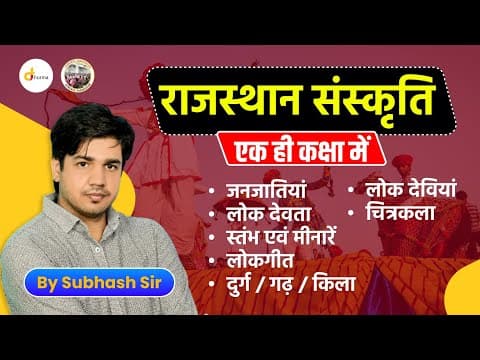
This blog post delves into the diverse art and culture of Rajasthan, focusing on its local deities, temples, and the significance of various festivals and traditions. It highlights the importance of local goddesses, their temples, and the cultural practices associated with them, providing a comprehensive overview of Rajasthan's vibrant heritage.
Rajasthan, known for its vibrant culture and rich heritage, is home to numerous local deities and temples that play a significant role in the lives of its people. This post explores the various local goddesses, their temples, and the cultural practices associated with them.
Sundha Mata is a prominent local deity worshipped in Rajasthan. The Sundha Mata Temple is located on Sundha Hill in Jalore. It is believed to be a form of Chamunda and is famous for being the first ropeway in Rajasthan. The temple is surrounded by beautiful hills and has a waterfall nearby, making it a popular pilgrimage site.
Located in Goth Manglod, Nagaur, the Dadhimati Temple is dedicated to Dadhich Brahmins' ancestral goddess. The temple is known for its unique structure, where the goddess is said to be represented only by her neck, hence it is also referred to as Kapal Peeth. The temple hosts a fair during Navratri, attracting many devotees.
The Sita Mata Temple is situated in the Sita Mata Wildlife Sanctuary, near Pratapgarh. It is believed to be the place where Sita spent her exile. The temple is famous for its annual fair held on Jyeshtha Amavasya, which includes traditional rituals and celebrations.
Tripura Sundari, also known as Turat Mata, is worshipped in Banswara. The temple is significant for the local Rajput community, and it is said that the former Chief Minister of Rajasthan, Vasundhara Raje, visited this temple before her victories.
Located in Udaipur, the Jagat Ambika Temple is known for its architectural beauty and historical significance. It was built by the ruler Alhat and is considered a Shakti Peeth.
The Karni Mata Temple in Deshnok, Bikaner, is famous for its resident rats, which are considered sacred. The temple is dedicated to Karni Mata, who is believed to have the power to grant wishes. The temple attracts thousands of visitors every year, especially during the Navratri festival.
Situated in Jobner, Jaipur, the Jwala Mata Temple is dedicated to the goddess of fire. It is a significant pilgrimage site for many devotees.
Rajasthan is known for its vibrant festivals that celebrate its rich culture. Each temple hosts fairs and festivals that attract large crowds, showcasing local traditions, music, and dance.
Navratri is one of the most celebrated festivals in Rajasthan, dedicated to the worship of the goddess Durga. During this time, various fairs are held at different temples, including the Dadhimati Temple and Karni Mata Temple, where devotees participate in traditional dances and rituals.
Fairs are an integral part of Rajasthan's culture. They are held at various temples throughout the year, providing a platform for local artisans to showcase their crafts, and for people to come together to celebrate their faith and culture. The fairs often include music, dance, and local cuisine, making them a vibrant experience for all.
The art and culture of Rajasthan are deeply intertwined with its local deities and temples. Each temple not only serves as a place of worship but also as a cultural hub where traditions are preserved and celebrated. The festivals and fairs associated with these temples reflect the rich heritage of Rajasthan, making it a unique and vibrant state in India. Understanding and appreciating this cultural tapestry is essential for anyone looking to explore the true essence of Rajasthan.