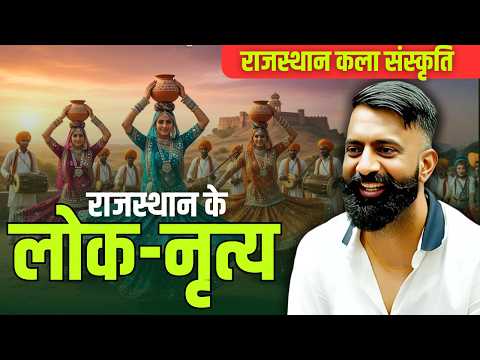
This blog post delves into the diverse folk dances of Rajasthan, highlighting their significance, the communities that perform them, and the cultural heritage they represent. It covers various dance forms, their historical context, and the instruments used, providing a comprehensive overview of Rajasthan's vibrant artistic traditions.
Rajasthan, known for its vibrant culture and rich traditions, boasts a variety of folk dances that reflect the state's history, community life, and artistic expressions. This blog post aims to explore the significance of these dances, the communities that perform them, and the instruments that accompany these performances.
Folk dances in Rajasthan are not just forms of entertainment; they are a means of storytelling, cultural expression, and community bonding. Each dance form is unique to the region and often associated with specific festivals, rituals, or social gatherings.
Ghoomar
Ghoomar is perhaps the most famous dance of Rajasthan, traditionally performed by women. It is characterized by graceful movements and swirling skirts, symbolizing the joy and vibrancy of life. The dance is often accompanied by traditional songs, with the lyrics reflecting the local culture and folklore.
Kalbelia
This dance is performed by the Kalbelia community, known for their snake charming skills. The dance is energetic and involves intricate footwork and rapid movements, often performed during celebrations and festivals. Kalbelia has gained international recognition and is included in UNESCO's list of Intangible Cultural Heritage.
Kachhi Ghodi
Kachhi Ghodi is a male-dominated dance performed during weddings and festive occasions. Dancers ride on wooden horses and perform acrobatic feats, showcasing their skills and strength. This dance is a representation of valor and is often accompanied by traditional instruments like the dhol and nagada.
Fire Dance
The fire dance is a thrilling performance where dancers perform with fire, showcasing their bravery and skill. This dance is often performed during festivals and is a spectacle that draws large crowds.
Terahtali
Terahtali is a unique dance form that involves rhythmic clapping and the use of various instruments. It is performed by women and is characterized by its lively beats and engaging choreography.
The music accompanying these dances is as diverse as the dances themselves. Traditional instruments play a crucial role in enhancing the performance:
Each dance form carries its own cultural significance, often linked to the history and traditions of the community performing it. For instance, Ghoomar is not just a dance; it is a celebration of femininity and community spirit. Similarly, Kachhi Ghodi reflects the valor and bravery of the Rajput community.
Folk dances are integral to various festivals in Rajasthan, such as Teej, Gangaur, and Diwali. During these festivals, communities come together to celebrate, and folk dances become a medium for expressing joy and gratitude.
Rajasthan's folk dances are a testament to the state's rich cultural heritage. They not only entertain but also educate and preserve the traditions of the communities. As we explore these vibrant art forms, we gain a deeper appreciation for the cultural diversity and artistic expressions that define Rajasthan. Understanding these dances allows us to connect with the history and traditions of the region, ensuring that they continue to thrive for generations to come.