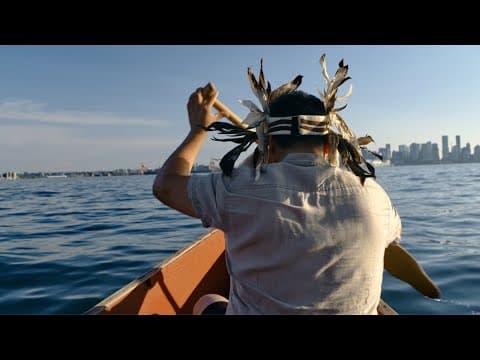
The Northwest Coast Indigenous Peoples possess a rich and diverse cultural heritage characterized by unique governance structures, languages, and traditions. This blog post delves into their historical experiences, the significance of potlatch ceremonies, and the ongoing efforts to revitalize their languages and customs in the face of colonial challenges.
The Northwest Coast of North America is home to a multitude of Indigenous cultures, each with its own unique traditions, languages, and governance structures. Contrary to the common perception that these cultures are homogenous, they are incredibly diverse and rich in history.
Cheyenne Morgan, a Gitxsan speaker, emphasizes the diversity of cultures in the Northwest Coast, noting that many people mistakenly believe it is a singular culture defined by totem poles and canoes. In reality, the region is characterized by a variety of languages and cultural practices that reflect the distinct identities of each community.
William Housty, a Haízaqv speaker, highlights the complexity of the history of West Coast First Nations, suggesting that there is much more to their story than what is typically found in textbooks. This complexity is echoed by Maka Monture Päki, a Tlingit speaker, who expresses gratitude for growing up in a culture that inherently values women's voices and power.
Judith Ramos, also from the Tlingit community, describes their strong matrilineal culture, where lineage is passed down through women. This connection to ancestry is deeply intertwined with their relationship to the land. Dr. Mique’l Dangeli, a Tsimshian speaker, explains that their identity and language are born from the land, emphasizing a reciprocal relationship that shapes their way of life.
The significance of place is further illustrated by the Nuu-chah-nulth speaker, who lists the names of mountains that hold cultural importance, along with the songs and ceremonies associated with them. Clyde Tallio from the Nuxalk community recounts the origin of the potlatch ceremony, which arose from a Creator's command to share wealth and stories, fostering community bonds.
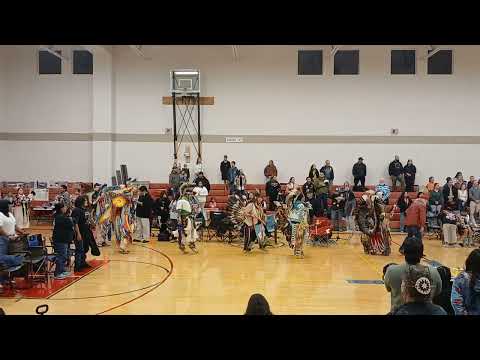
Potlatch ceremonies serve as a cornerstone of social and political life among these communities. David Boxley, a Tsimshian speaker, describes potlatch as the hub of their social structure, integral to naming children, marriages, and funerals. Kerri Dick from the Haida Kwagu’l community emphasizes that potlatch is not just a ceremony but a vital aspect of their identity, through which they pass down dances and lineage.
During these ceremonies, guests are invited as witnesses, agreeing to remember the events that transpire, as explained by Chief Trevor Isaac of the Kwakwaka’wakw. This practice reinforces the importance of community memory and cultural continuity.
The arrival of European settlers brought significant challenges to Indigenous communities, including the imposition of the Doctrine of Discovery, which deemed their lands as vacant. Morgan Guerin from the Musqueam community recounts the devastating impact of diseases brought by settlers, which decimated their populations before they even encountered the second wave of smallpox.
Chief Ian Campbell of the Squamish community points out that many settlers viewed the land as free for the taking, leading to the marginalization of Indigenous peoples. This systemic racism has persisted since first contact, affecting their rights and access to resources.
From 1884 to 1951, cultural practices such as potlatch were criminalized under the Potlatch Ban, as noted by Dr. Mique’l Dangeli. This law aimed to suppress Indigenous identity and practices, leading to underground ceremonies to preserve their traditions.
Despite these historical challenges, Indigenous communities are actively working to revitalize their languages and cultural practices. Cheyenne Morgan shares her commitment to speaking Sm’algyax with her daughter, reflecting a broader movement to ensure that younger generations are connected to their heritage.
Laurel Smith Wilson, a Gitxsan speaker, asserts that their culture is alive and thriving, not confined to history or museum exhibits. Morgan Guerin emphasizes that Indigenous peoples are not going anywhere and should not have to hide their identities.
William Housty expresses hope for the future, noting that his generation is the first to participate in potlatch ceremonies without fear of legal repercussions. This newfound freedom allows them to rebuild their cultural practices and instill them in the younger generations, ensuring that their rich heritage continues to flourish.
The voices of the Northwest Coast Indigenous Peoples tell a story of resilience, diversity, and a deep connection to the land. As they navigate the complexities of their history and work towards revitalization, their commitment to preserving their culture and identity remains unwavering. The ongoing efforts to reclaim their languages and traditions are a testament to their strength and determination to thrive in a modern world while honoring their ancestral roots.