The Northwest Coast Native Americans, known for their deep connection to nature, rich oral traditions, and intricate craftsmanship, have a unique cultural heritage shaped by their environment and history. This blog post delves into their lifestyle, traditions, and the challenges they face today.
The Northwest Coast of the United States and Canada is a region of stunning beauty, where the ocean, forests, and rocky landscapes coexist in harmony. This remote and isolated area is often filled with the sounds of nature—waves crashing, winds blowing, and seabirds calling. However, if one listens closely, they might also hear the echoes of an ancient song belonging to the people who have called this land home for thousands of years: the Native Americans of the Northwest Coast.
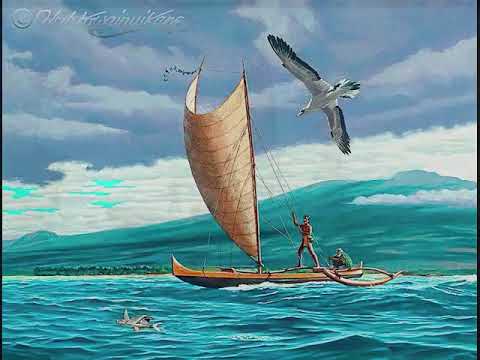
The Native Americans of the Northwest Coast are known by many names, including Nuu-chah-nulth, Salish, Kwakiutl, and many others. Each group has its own distinct language and cultural practices, yet they share a common heritage as skilled fishing peoples. They have thrived in this region by fishing the numerous rivers and streams, building impressive cedar canoes, and hunting sea mammals, including whales.
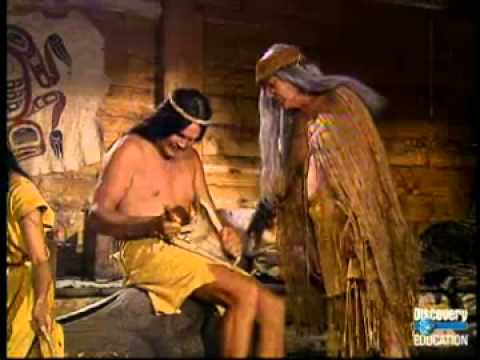
The people of the Northwest Coast are renowned for their craftsmanship. They constructed large wooden homes adorned with intricate carvings and paintings, and they created totem poles that symbolize animals and spirits significant to their culture. Their clothing was made from woven tree bark and animal hides, reflecting their deep connection to the natural world.
Despite lacking a written language, these communities maintained rich oral traditions, passing down legends and stories through generations. Ceremonial wooden masks, often representing supernatural beings, played a crucial role in their cultural expressions. The artistry extended to various tools and items, including fishing hooks, spears, and harpoons, crafted from stone, bone, and ivory.
The origins of the Northwest Coast tribes can be traced back approximately 30,000 years. During this time, a land bridge connected Asia to North America, allowing early hunters to migrate across. As the ice age ended and sea levels rose, these groups spread throughout North and South America, adapting to diverse environments.
The Northwest Coast is characterized by its dense forests, rugged coastlines, and mild climate, which has shaped the lifestyle of its inhabitants. The coastal peoples became adept at ocean fishing and hunting, while those living inland focused on forest animals and river fishing.
Life for the Northwest Coast peoples was communal and centered around clans, which functioned like extended families. Each clan had its own privileges, such as hunting and fishing rights in designated areas. The importance of bravery and community was emphasized through cultural practices, including dances that told stories of ancestral courage.
The traditional homes were built from cedar logs, featuring large communal spaces where multiple families lived together. Food storage houses were constructed on stilts to protect provisions from moisture, while smokehouses were used to preserve fish for the long winters. The community relied heavily on salmon, which was not only a staple food but also held spiritual significance. The practice of returning salmon bones to the water after consumption was a way to honor the fish and ensure their return the following year.
The Northwest Coast peoples held a profound respect for nature, believing that all elements of the natural world possessed spiritual life. Shamans, or medicine men, played a vital role in the community, using herbs and spiritual practices to heal the sick and cleanse individuals from evil spirits.
The arrival of Europeans drastically altered the lives of Native Americans on the Northwest Coast. Conflicts over land led to the displacement of tribes, forcing them onto reservations where they faced poverty and loss of traditional practices. Many children were sent to boarding schools, where they were stripped of their cultural identities.
In the 1950s, the U.S. government encouraged Native Americans to relocate to urban areas for job opportunities. Today, many Native Americans live in cities, while others choose to remain on reservations. Life on reservations has improved compared to the past, with modern amenities and employment opportunities in industries like fishing and lumber.
Despite the challenges, many tribes have found ways to preserve their cultural heritage. Some have opened casinos to generate income, while others continue traditional practices such as bark peeling and carving. The Haida tribe, for example, is famous for its intricate carvings, which can fetch high prices from collectors.
Efforts to revive traditional canoe-making and totem pole carving are ongoing, with artisans using ancient techniques to create works that honor their ancestors and cultural identity.
The Native Americans of the Northwest Coast have a rich cultural heritage that reflects their deep connection to the land and its resources. While they have faced significant challenges throughout history, their resilience and commitment to preserving their traditions continue to shape their identity today. The spirit of the Northwest Coast peoples lives on through their art, stories, and the enduring bond they share with nature.