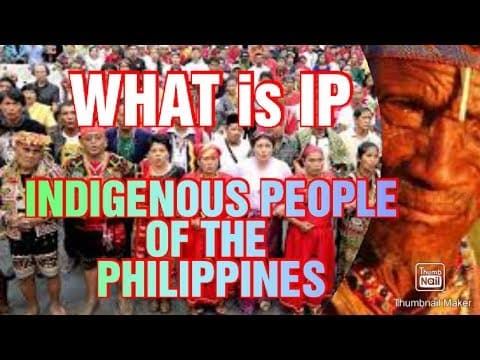
The Philippines is home to a diverse range of indigenous groups, primarily the Igorot in the north and the Lumad in Mindanao, who have preserved their unique cultures and traditions despite centuries of colonization. This blog post delves into their demographics, cultural practices, and the challenges they face in modern society.
The Philippines is an archipelago characterized by its diverse landscapes and rich cultural heritage. Among its most significant cultural groups are the indigenous peoples, who have lived in the country for thousands of years. This blog post explores the history, demographics, and cultural practices of these groups, focusing on the Igorot and Lumad peoples, and the challenges they face today.
The indigenous peoples of the Philippines are primarily divided into two major groups: the Igorot in the northern regions and the Lumad in Mindanao. These groups have coexisted with lowland Austronesian ethnic groups for centuries, maintaining their unique customs and traditions despite the influences of Spanish and American colonization.
The Igorot people inhabit the mountainous regions of Northern Luzon. They are known for their rich cultural heritage, which includes traditional practices such as rice terrace farming, a UNESCO World Heritage site. The Igorot tribes include various groups such as the Bontoc, Kankanaey, and Ifugao, each with distinct languages and customs.
Historically, the Igorot were able to resist assimilation into the dominant lowland cultures due to the rugged terrain of their mountainous homeland, which limited contact with colonizers. This geographical isolation has allowed them to preserve their cultural identity and practices, including their traditional governance structures led by chieftains.
In contrast, the Lumad refers to the non-Muslim indigenous groups of mainland Mindanao. This collective includes various tribes such as the Manobo, Ata, and T’boli. The Lumad have a rich tradition of storytelling, music, and dance, which are integral to their cultural identity.
The Lumad peoples have faced significant challenges, particularly due to land disputes and the encroachment of modern society. Many Lumad communities have been displaced from their ancestral lands, leading to a loss of cultural practices and traditional livelihoods.
According to the Commission on Wikang Filipino, there are 135 recognized local languages in the Philippines, with Tagalog serving as the national language. The indigenous population is diverse, with approximately 134 ethnic groups, many of which are indigenous. In the 1990s, it was estimated that over 100 Highland tribal groups constituted about three percent of the total population.
The indigenous groups are known for their artistic skills, which are evident in their craftsmanship. They create beautifully carved wooden figures, woven baskets, pottery, and traditional weapons. These items often serve both utilitarian and ceremonial purposes, reflecting the deep connection between the indigenous peoples and their environment.
Despite their rich cultural heritage, indigenous peoples in the Philippines face numerous challenges. The Philippine government has established protective reservations for tribal groups, encouraging them to maintain their traditional lifestyles. However, the shift from assimilation policies to cultural pluralism has not fully reversed the decline of traditional practices.
Many indigenous communities are struggling with land security, which affects their ability to maintain their cultural practices. Economic pressures often lead to the abandonment of traditional ways of life as tribal members seek opportunities in the larger society. This has resulted in a gradual erosion of cultural identity, as younger generations may prioritize modern lifestyles over their ancestral traditions.
The indigenous peoples of the Philippines, including the Igorot and Lumad, represent a vital part of the country's cultural landscape. Their resilience in preserving their customs and traditions amidst external pressures is commendable. As the Philippines continues to modernize, it is crucial to support these communities in adapting to contemporary society while safeguarding their rich cultural heritage. By recognizing and valuing their contributions, we can ensure that the history and traditions of the indigenous peoples of the Philippines are not lost to time.