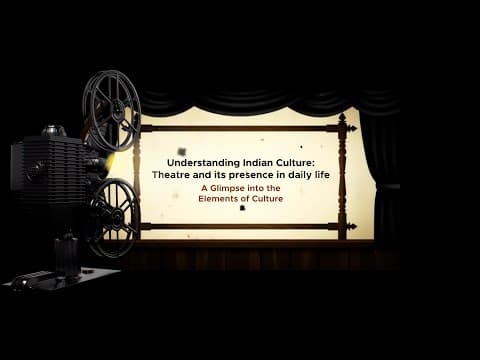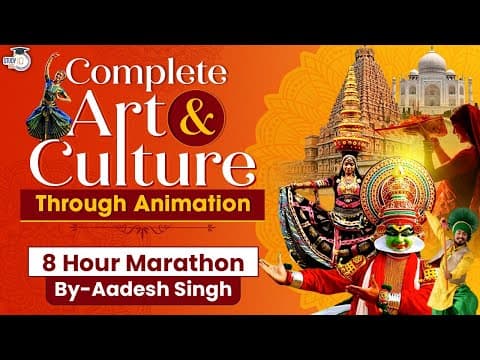
This comprehensive guide delves into the vast and diverse landscape of Indian art and culture, covering its historical evolution, various forms of artistic expression, and the significance of festivals and traditions that shape the Indian identity.
India is a land of immense diversity, with a rich cultural heritage that spans thousands of years. From ancient civilizations to modern times, Indian art and culture have evolved, reflecting the country's history, traditions, and values. This blog post aims to provide a comprehensive overview of Indian art and culture, covering various aspects such as architecture, sculpture, painting, music, dance, festivals, and more.
The roots of Indian art and culture can be traced back to the Indus Valley Civilization, which flourished around 3200 BCE. This civilization is known for its advanced urban planning, architecture, and artistic expressions, including pottery, seals, and sculptures. The cities of Harappa and Mohenjo-Daro exemplify the sophisticated urban design of this era.
Following the decline of the Indus Valley Civilization around 1500 BCE, the Vedic period emerged. This era is characterized by the composition of the Vedas, the oldest sacred texts of Hinduism, which laid the foundation for Indian philosophy and spirituality.
The Mauryan Empire (322-185 BCE) marked a significant advancement in art and architecture, with the construction of stupas, pillars, and rock-cut caves. The influence of Buddhism and Jainism during this time also contributed to the artistic landscape of India.
Indian architecture is a blend of various styles, influenced by regional cultures and historical contexts. Key architectural styles include:
Indian sculpture has a rich tradition, ranging from ancient stone carvings to intricate bronze statues. Notable examples include:
Indian painting has evolved through various styles, including:
Indian music is diverse, encompassing classical, folk, and contemporary styles. Key forms include:
Indian dance forms are categorized into classical and folk styles:
India's cultural diversity is vividly displayed through its festivals, which are celebrated with great enthusiasm across the country. Some notable festivals include:
These festivals not only reflect the rich traditions of India but also promote unity and harmony among diverse communities.
Indian art and culture are a testament to the country's rich history and diversity. From ancient civilizations to modern expressions, the evolution of art forms, music, dance, and festivals showcases the vibrant tapestry of Indian identity. Understanding and appreciating this cultural heritage is essential for preserving it for future generations. As we celebrate our diverse traditions, we also embrace the values of tolerance, unity, and respect that define the essence of Indian culture.