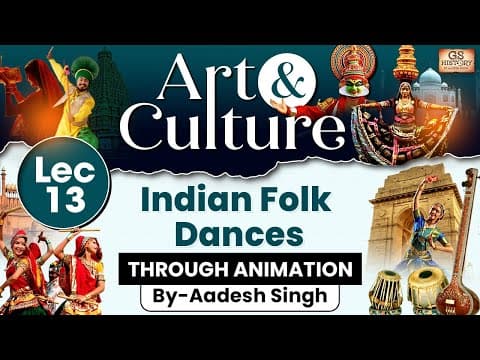
This blog post delves into the diverse and vibrant world of Indian folk dances, highlighting their cultural significance, unique styles, and regional variations across India. From Chhau to Kolam, each dance form reflects the traditions and stories of its community, showcasing India's rich cultural heritage.
India is a land of diverse cultures and traditions, and one of the most vibrant expressions of this diversity is found in its folk dances. Unlike classical dances, which often require professional training, folk dances are performed by local communities during various occasions such as festivals, weddings, and seasonal celebrations. This blog post will explore some of the most prominent and celebrated folk dances of India, their origins, and their cultural significance.
Folk dances are characterized by their simplicity and spontaneity, often performed by groups of people without the need for formal training. Each dance form is unique to its region, reflecting the local culture, traditions, and stories. The costumes are typically colorful and adorned with traditional jewelry, enhancing the visual appeal of the performances.
Chhau is a tribal martial art dance predominantly performed in the states of Odisha, Jharkhand, and West Bengal. This dance has three main genres based on its origin:
Chhau is often showcased during the spring festival, lasting for 13 days, and involves the entire community. The dance incorporates martial arts techniques and is based on themes from Hindu mythology, with performers wearing masks, except in Mayurbhanj.
Originating from the Kalbelia community in Rajasthan, Kalbelia is a dance performed by women that mimics the movements of snakes. The dance is accompanied by the sound of the been, a traditional instrument, and was recognized by UNESCO in 2010 as part of the Intangible Cultural Heritage of Humanity. The women wear black skirts and perform swirling movements, celebrating joy and festivity.
Bihu is a popular dance from Assam, performed by both men and women in groups. The dance has its roots in the 9th century and is associated with the Bihu festival, which marks the Assamese New Year. There are three types of Bihu dances: Rangali Bihu (April), Kongali Bihu (October), and Bhogali Bihu (January), each celebrating different aspects of life and agriculture.
Ghoomar, also known as Gangaur, is a traditional Rajasthani dance performed by women, often during the Gangaur festival. Initially performed by the Bhil tribe, it later became popular among Rajput women. The dance involves graceful movements and is characterized by colorful attire, with variations in style across different regions of Rajasthan.
Dolu Kunitha is a traditional dance from Karnataka, performed during major festivals. This energetic dance is associated with the worship of Lord Shiva and involves drumming and rhythmic movements. The dance is typically performed in a circular formation, showcasing the vibrant culture of Karnataka.
Kolam is an ancient folk art form from Tamil Nadu and Andhra Pradesh, performed by women using small sticks. The dance is linked to the legend of Basava Sur, a demon subdued by the enchanting music and dance of young girls. Kolam is performed during local festivals and is known for its rhythmic movements and colorful decorations.
Padayani is a ritualistic dance performed in Kerala, particularly in temples along the banks of the Pampa River. The dance is believed to have originated from the need to appease the goddess Bhadrakali. Participants wear elaborate masks made from natural materials and perform the dance to honor the goddess, showcasing the rich cultural heritage of Kerala.
Patkuni is a devotional dance from the Mysore region of Karnataka, primarily performed by men. This dance form uses long bamboo poles decorated with colorful ribbons, creating a vibrant spectacle. Although it has religious roots, it has become popular among various communities and is often performed during local festivals.
Indian folk dances are not just forms of entertainment; they are a reflection of the cultural identity and heritage of the communities that perform them. Each dance tells a story, celebrates life, and fosters a sense of unity among its participants. Recognized by UNESCO, these dance forms are a testament to India's rich cultural diversity and continue to thrive as a vital part of the nation's heritage. Through these dances, the traditions and stories of India are preserved and passed down through generations, ensuring that the spirit of the community remains alive.