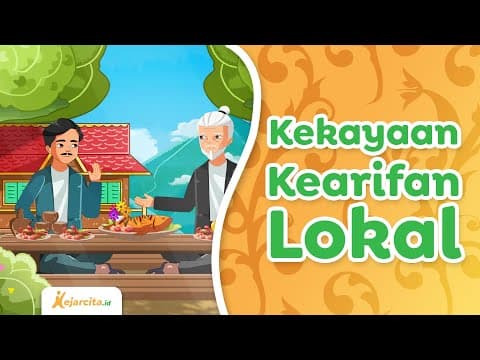
This blog post delves into the concept of local wisdom in Indonesia, highlighting its significance, examples, and the benefits of preserving these cultural values. It discusses tangible and intangible forms of local wisdom and encourages readers to engage with and preserve their local heritage.
Local wisdom is a treasure trove of values and practices that have been passed down through generations, deeply rooted in the culture and environment of a community. In Indonesia, local wisdom is particularly rich and diverse, reflecting the unique characteristics of each region. This blog post will explore what local wisdom means, its significance, and some notable examples from various parts of Indonesia.
Local wisdom refers to the noble values that govern the way of life of a community, aimed at protecting and sustainably managing the environment. It has existed in various regions for a long time and is transmitted from one generation to the next. The richness of local wisdom in Indonesia is influenced by the diverse natural conditions across its many islands. Even within a single island, the environmental conditions can vary significantly, affecting the lifestyle, habits, and culture of its inhabitants.
One notable example of local wisdom is the Marakka’ Bola tradition practiced by the Bugis community in Lalabata Village, Barru Regency, South Sulawesi. This tradition involves the communal effort of moving houses. After the relocation, the residents who helped are treated to a meal prepared by the homeowner as a gesture of gratitude. This practice exemplifies the spirit of gotong royong, or mutual cooperation, which remains vibrant in the community.
In Muara Enim, South Sumatra, the Tradisi Bebie involves the community coming together to plant and harvest crops collectively. This tradition fosters a sense of unity and cooperation among the participants, reinforcing social bonds.
In Kampar, Riau, the community observes the Hutan Larangan Adat, where cutting down trees in the forest is prohibited. Violators face fines, which encourages the community to participate in forest conservation efforts. This local wisdom aims to protect the forest and its resources for future generations.
In Papua, there is a belief known as te aro neweak lako, which translates to "nature is me." This belief teaches the community to utilize natural resources carefully, recognizing that nature is an integral part of human life.
Local wisdom can be categorized into two types: tangible and intangible.
Tangible local wisdom can be seen or touched. Examples include:
Intangible local wisdom is passed down orally from generation to generation. It includes:
The purpose of intangible local wisdom is to guide younger generations away from harmful actions that could damage themselves, society, or the environment.
Studying local wisdom offers numerous benefits:
Understanding, applying, and preserving local wisdom is essential for maintaining cultural heritage and environmental sustainability. As we engage with our local traditions, we contribute to a richer, more diverse cultural landscape.
What examples of local wisdom can you find in your area? Share your thoughts in the comments below. For those interested in further exploring the topic of local wisdom, consider visiting kejarcita.id or downloading the kejarcita app from the Play Store. Don't forget to like and share this post with your friends!