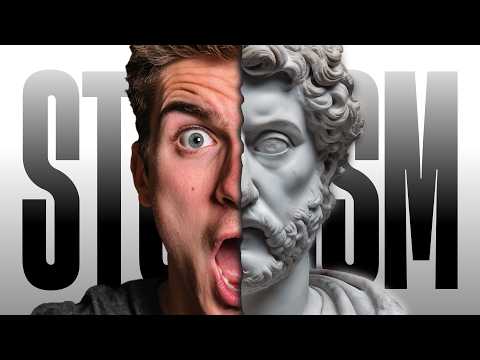
This blog post delves into the Stoic philosophy as articulated by Marcus Aurelius in his work 'Meditations', highlighting the key tenets of Stoicism, the significance of virtue, and the philosophical reflections on human existence and morality.
Marcus Aurelius, a Roman Emperor and philosopher, is renowned for his contributions to Stoic philosophy, particularly through his personal writings known as "Meditations." This blog post explores the core principles of Stoicism as presented by Aurelius, emphasizing the importance of virtue, self-control, and the philosophical approach to life's challenges.
Following the death of Socrates and the decline of Greek civilization due to the Peloponnesian War, Socratic philosophy fragmented into various schools of thought, leading to the emergence of Hellenistic philosophies. Among these, three significant branches arose: Stoicism, Epicureanism, and Skepticism. Each of these philosophies offered different perspectives on ethics and knowledge, with Stoicism ultimately becoming the most influential in Roman thought.
Stoicism teaches that true happiness is found not in external pleasures but in living in accordance with nature and virtue. The Stoic ideal emphasizes:
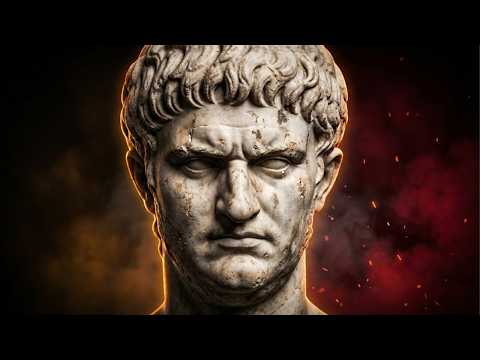
Marcus Aurelius stands out as a unique figure in Stoicism, being both an emperor and a philosopher. His reign from 161 to 180 AD was marked by personal and political challenges, yet he remained committed to Stoic principles. Aurelius' writings reflect his struggles and his dedication to living a virtuous life despite the temptations of power and wealth.
Aurelius faced the immense temptations that came with his position. Unlike many of his contemporaries who indulged in excess, he exemplified restraint and moral integrity. His ability to govern justly while maintaining his philosophical ideals serves as a testament to the strength of his character. He believed that true power lies in self-discipline and ethical conduct, rather than in the ability to exert control over others.
Aurelius articulated that virtue is the foundation of a meaningful life. He famously stated that the essence of greatness is recognizing that virtue is enough. This perspective challenges the modern pursuit of material wealth and pleasure, suggesting instead that a life dedicated to moral excellence is the path to true fulfillment.
Aurelius acknowledged the inevitability of suffering and death, urging individuals to confront these realities with courage. He posited that while we cannot control external events, we can control our reactions to them. This Stoic resilience is crucial for maintaining inner peace amidst life's adversities.
In his "Meditations," Aurelius wrote for himself, reflecting on his thoughts and struggles. His writings reveal a profound understanding of human nature and the importance of self-examination. He often reminded himself of the transient nature of life and the futility of anger and resentment.
Marcus Aurelius' "Meditations" serves as a powerful reminder of the Stoic ideal. His life and writings encourage us to cultivate virtue, practice self-control, and accept the things we cannot change. In a world filled with distractions and temptations, Aurelius' philosophy offers timeless wisdom on how to live a meaningful and fulfilling life. By embracing the Stoic principles he championed, we can navigate the complexities of human existence with grace and integrity.