This blog post delves into the rich Tamil culture and culinary traditions in Chennai, highlighting the significance of identity, the history of Tamil migration, and the unique flavors of local cuisine, particularly the parotta.
Chennai, a vibrant city in India, is a melting pot of culture, history, and culinary delights. In this post, we will explore the unique aspects of Tamil identity, the evolution of music in the region, and the culinary traditions that have been shaped by history and migration.
Upon visiting Chennai, one might be surprised by the diverse musical offerings beyond the popular Bollywood hits. The local music scene is heavily influenced by film music, which dominates the industry. However, independent music is gradually gaining traction, showcasing a variety of genres that reflect the city's rich cultural tapestry.
Growing up in Chennai is described as a unique experience, where the city manages to retain its cultural heritage while embracing modernity. This balance is crucial, as many cities around the world struggle with losing their identity amidst rapid urbanization. Chennai stands out as a city that proudly showcases its traditions while adapting to contemporary life.
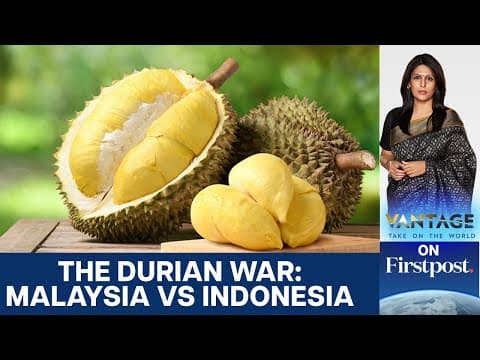
For many, Tamil identity is a source of pride. The Tamil language is one of the oldest in the world, with a rich literary history that predates many other civilizations. The spread of Tamil culture across Southeast Asia, particularly in countries like Malaysia and Indonesia, is a testament to its enduring legacy. This cultural diffusion is not seen as strange but rather as a point of pride for Tamils, reflecting their historical influence and resilience.
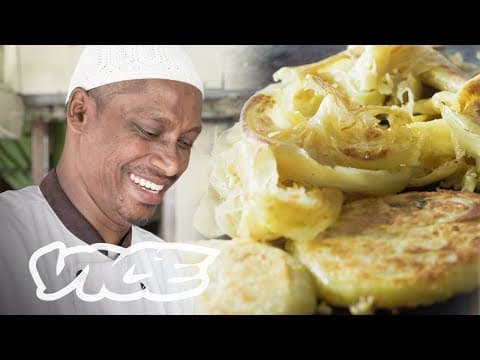
One of the culinary highlights of Chennai is the parotta, a flaky flatbread that has become a staple in Tamil cuisine. The preparation method sets it apart; while many make parotta on gas stoves, traditional methods using charcoal impart a unique flavor and texture that is hard to replicate.
The parotta shop in question has been serving customers for 65 years, with generations of the same family working together to maintain its success. They sell a staggering 2,000 parottas daily, showcasing the importance of teamwork and family in their culinary tradition. This dedication to quality and heritage is what keeps customers coming back.
Interestingly, the parotta has a counterpart in Indonesia known as roti canai. This connection highlights the cultural exchanges that have occurred over time, with Tamil culinary traditions finding their way into the hearts and kitchens of other nations. The pride in seeing their food appreciated globally is palpable among the Tamil community.
Chennai's history is intertwined with colonialism, particularly the Dutch presence in the region. The Dutch interest in India waned in the 1820s, leading them to seek opportunities in Indonesia and other regions. This shift was part of a larger narrative involving the slave trade, where thousands of individuals were forcibly taken from their homes and sent to plantations across Southeast Asia.
The impact of this migration is still felt today, as Tamil culture has become a dominant force in Southeast Asia. One can find Tamil temples and authentic Tamil cuisine in unexpected corners of these countries, showcasing the resilience and adaptability of Tamil culture.
Chennai is not just a city; it is a living testament to the enduring spirit of the Tamil people. From its music to its culinary traditions, the city embodies a rich cultural heritage that continues to thrive despite the challenges of modernity. The story of the parotta, the pride in Tamil identity, and the historical context of migration all contribute to a deeper understanding of what it means to be Tamil in today's world. As we explore these themes, we celebrate the unique flavors and stories that make Chennai a remarkable place.