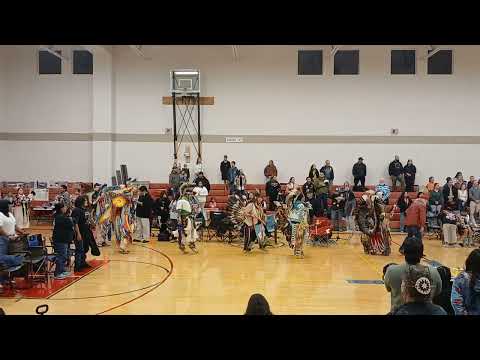
This blog post delves into the rich history and cultural significance of Philippine folk dances, highlighting 15 unique dances that reflect the diverse traditions and identities of the Filipino people.
Philippine folk dances are a vibrant expression of the country's rich cultural heritage, reflecting influences from various immigrants and conquerors while maintaining distinctly Filipino roots. These dances serve as a source of cultural identity for the Filipino people, showcasing their traditions and values. In this post, we will explore 15 of the best folk dances from the Philippines, each with its unique story and significance.
Philippine folk dances can be categorized into five main types:
The Ethnic Eating dance mimics the way a dog walks and splashes water on its back to attract a mate. According to tradition, it was choreographed by a lady named Kanang during a celebration, and it has been passed down through generations.
Considered the national dance of the Philippines, Tinikling imitates the movements of a tickling bird as it navigates through tall grass. Dancers perform this dance using bamboo poles, incorporating three basic steps: singles, doubles, and hops. The tempo increases until a dancer makes a mistake, prompting the next set of dancers to take their turn.
This dance is performed on top of a narrow bed, requiring dancers to maintain good balance while executing a series of acrobatic movements. It originates from the regions of Pangasinan and Lingayen.
The Banga dance is typically performed during festivals and social occasions like weddings and birthdays. Dancers balance three half-filled glasses of rice on their heads and hands while gracefully moving to the music.
Similar to the Spanish fandango, this lively dance involves balancing three oil lamps—one on the head and one in each hand. Originating from Lubang Island, it is performed to music in a 3/4 time signature.
This version of the Pandanggo is performed by fishermen to celebrate a good catch. Dancers swing lamps placed in cloth or nets while circling and swaying to the rhythm.
The Maglalatik dance depicts a battle over coconut meat, a highly valued food. It consists of four parts: two focused on the battle and two on reconciliation. Dancers wear coconut shells as part of their costumes and create rhythmic sounds by slapping them.
The Kuratsa is a courtship dance often performed at weddings. It has three parts: a waltz, a chase, and a fast-paced conclusion where the man wins over the woman with his dance moves.
Adopted from an old Spanish dance, La Jota Macarena showcases the influence of Spanish culture on Filipino dance.
This dance, influenced by Muslim culture, showcases the various ways a malong (a traditional two-bladed garment) can be worn. There are distinct versions for men and women.
Magkasuyo is a variation of the waltz, characterized by graceful movements and close steps. It incorporates influences from Spanish, Malay, and Muslim cultures, emphasizing romantic themes.
Known as the Dance of the Doves, Pantomina mimics the courtship rituals of doves. It is an essential part of the Sorsogon festival, primarily performed by the elders of the community.
This dance is characterized by flirtatious movements, where dancers hide behind fans or handkerchiefs, peeking out at one another, symbolizing the playful nature of courtship.
Sortido, meaning assortment, is a square dance that combines influences from French, Spanish, and Mexican dances. It is traditionally performed by a head couple leading other couples in various formations.
Traditionally performed by single women to attract potential suitors, Singkil features graceful movements as dancers step in and out, showcasing their elegance and charm.
Philippine folk dances are not just performances; they are a vital part of the Filipino identity. They are colorful, beautiful, and vibrant, with movements, costumes, and music that reveal the unique Filipino culture. These dances play a crucial role in significant life events such as weddings, harvests, and festivals, serving as a means to preserve and pass on cultural traditions to future generations.
In conclusion, Philippine folk dances are a unifying force for the Filipino people, embodying their history, culture, and values. Learning about these dances is essential for appreciating the rich tapestry of Filipino heritage.
As we continue to celebrate and preserve these traditions, we ensure that the essence of Filipino culture remains alive for generations to come.