The tradition of castells, or human towers, in Catalonia is a unique cultural practice involving teamwork, safety, and a deep sense of community. With over 80 teams participating, the Castellers de Vilafranca stands out, aiming for their eighth consecutive victory at the prestigious Concurs in Tarragona. This blog post delves into the history, structure, and safety measures of this fascinating tradition.
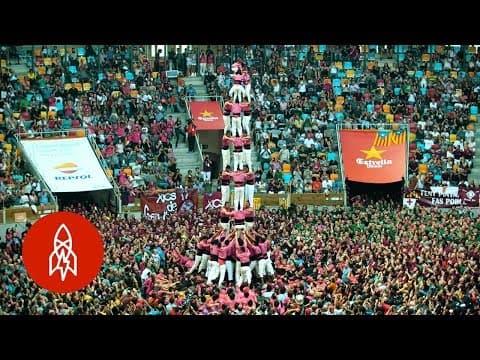
A castell is a remarkable structure formed entirely of human beings, known as a human tower. This captivating tradition, known as castells, has been a part of Catalan culture for over 200 years. Today, there are more than 80 different colles, or teams, spread throughout Catalunya, each contributing to this vibrant cultural heritage.
Every two years, the excitement culminates in a grand competition known as the Concurs, held in Tarragona. This event showcases the twelve best teams, where they perform their most impressive castells. Among these teams, the Castellers de Vilafranca has distinguished itself by winning the Concurs for seven consecutive times, with aspirations to achieve an eighth victory.
Creating a castell is no small feat; it requires the collaboration of three to four hundred people at a time. These human towers can reach impressive heights of up to 15 meters. The construction of these towers is a complex process that demands not only physical strength but also precise coordination and teamwork.
Safety is paramount in the construction of castells. The teams often include very young children, some as young as four or five years old, who climb to the very top of the tower. To ensure their safety, every member of the team is committed to making this activity as secure as possible. Despite the precautions, there are inherent risks involved. Occasionally, castles may collapse, which, while visually spectacular, can lead to serious injuries such as broken limbs or shoulder injuries.
As the castell progresses, the pressure builds within the structure. Team members at the base often struggle to find enough oxygen, and there have been instances where individuals have fainted or collapsed due to the strain. However, the collective responsibility to the team drives them to continue, as no one wants to let their fellow castellers down.
When the final music plays, signaling the completion of the castell, a wave of relief washes over the team. Yet, this moment is also critical; it is the most dangerous part of the process. If team members relax too much, the structure can collapse rapidly. Therefore, maintaining focus and concentration is essential even in moments of celebration.
The question of why someone becomes a Casteller de Vilafranca is complex and deeply personal. It is a sentiment that cannot be easily articulated; it must be felt. The experience of being part of this tradition transcends words, creating a profound connection among team members and with the cultural heritage of Catalonia.
The tradition of castells is a testament to the strength of community, teamwork, and cultural pride in Catalonia. As the Castellers de Vilafranca continue to strive for excellence in their craft, they embody the spirit of this unique and exhilarating tradition, captivating audiences and participants alike with their remarkable human towers.