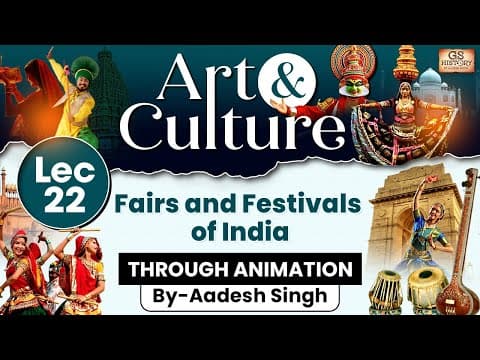
India's diverse culture is reflected in its numerous fairs and festivals celebrated throughout the year, each with unique traditions and significance. This blog post explores major festivals like Makar Sankranti, Eid, Guru Purab, and regional celebrations, highlighting their cultural importance and the communal spirit they foster.
India is a land of vast languages, customs, and traditions, with a history that flows like a river for thousands of years. The country celebrates a multitude of fairs and festivals, and it is said that there is hardly a day on the calendar when a festival or fair is not being celebrated in some part of India. These events represent the diversity of India and have become major tourist attractions, allowing visitors to experience the rich culture of the country.
When discussing festivals and fairs, it is essential to note that their dates are primarily based on the lunar calendar, which causes variations each year. However, some festivals, like Makar Sankranti and national festivals, follow the solar calendar, ensuring their dates remain consistent. For a deeper understanding of the differences between the lunar and solar calendars, one can refer to resources on the calendar of India.
Makar Sankranti is the first major festival celebrated in India each year, dedicated to the Sun God. It is primarily observed on January 14 and marks the end of winter and the beginning of summer. Unlike other Hindu festivals that follow the lunar calendar, Makar Sankranti is fixed on the solar calendar, making its date consistent each year. This festival is celebrated across India under various names, such as Lohri in Punjab, Pongal in Tamil Nadu, and Uttarayan in Gujarat, with unique festivities and traditional foods associated with each region.
Eid-ul-Fitr is one of the most significant festivals for the Muslim community worldwide, marking the end of Ramadan, the month of fasting. It falls on the first day of Shawwal, the month following Ramadan. The festival is celebrated with joy and gratitude, as it signifies the completion of a month of fasting, contemplation, and prayers. On Eid, families come together to celebrate with feasts and community prayers.
Muharram is the first month of the Islamic calendar, and the 10th day, known as Ashura, is observed in mourning for the martyrdom of Prophet Muhammad's grandson, Hussain ibn Ali, at the Battle of Karbala. Shia Muslims commemorate this day with processions and rituals that reflect their respect and remembrance of Hussain's sacrifices.
Easter is celebrated by Christians to commemorate the resurrection of Jesus Christ. It follows the crucifixion and is marked by church services, prayers, and festive meals, including traditional Easter eggs and baked goods. Good Friday, observed before Easter, reflects on the crucifixion of Jesus, emphasizing themes of sacrifice and redemption.
Guru Purab is an important festival for the Sikh community, celebrated in honor of the ten Sikh Gurus, particularly Guru Nanak and Guru Gobind Singh. Special services are held in Gurudwaras, and community meals (Langar) are organized. The festival includes processions and singing hymns from the Guru Granth Sahib, showcasing the spiritual essence of Sikhism.
Mahavir Jayanti is celebrated by the Jain community to honor Lord Mahavira, the 24th Tirthankara. This festival involves decorating temples, performing rituals, and carrying idols in processions, particularly in states like Gujarat and Rajasthan, where the Jain population is significant.
Buddha Purnima, or Buddha Jayanti, marks the birth anniversary of Lord Buddha. Celebrated primarily in northern and northeastern India, it involves special prayers, meditation, and rituals in places significant to Buddha's life, such as Bodh Gaya and Sarnath.
Nowruz, celebrated by the Parsi community, marks the beginning of the new year according to the Parsi calendar. It falls on March 21, coinciding with the spring equinox, and is a time for prayers for health and prosperity, along with communal feasting.
Losar is an important festival for the Buddhist communities in Arunachal Pradesh, Himachal Pradesh, and Ladakh, representing the Tibetan New Year. Celebrated over three days starting February 11, it includes colorful prayer flags and traditional dances, showcasing the rich cultural heritage of the region.
Bihu, particularly Bohag Bihu, is the most celebrated festival in Assam, marking the Assamese New Year. It is linked to agricultural harvests and is celebrated with traditional dances, music, and special dishes like Pitha.
The Hornbill Festival in Nagaland is a week-long celebration that showcases the rich cultural heritage of the Naga tribes. It features traditional dances, music, and a vibrant marketplace where artisans display their crafts.
The Majuli Festival is celebrated on Majuli Island in Assam, showcasing the cultural heritage and traditional history of the region. It features displays of traditional arts and crafts from various northeastern states.
Held at the Kamakhya Temple in Guwahati, Ambubachi Mela is a significant event attracting thousands of devotees, particularly childless couples seeking blessings. The festival is known for its rituals and sometimes controversial tantric practices.
The Pushkar Fair, held in Rajasthan, is one of the largest camel fairs in the world, taking place in the month of Kartik (October-November). It features animal trading, cultural performances, and religious rituals at the sacred Pushkar Lake.
The Surajkund Crafts Fair, organized in Haryana, celebrates traditional crafts, local culture, and music. It attracts participants from various countries and states, providing a platform for artisans to showcase their work.
The festivals and fairs celebrated in India are a testament to the country's diversity and cultural richness. This list is by no means exhaustive, as the variety of festivals reflects the myriad traditions, histories, and geographies of India. Each festival and fair is a symbol of the vibrant culture that thrives in this incredible country, making it a unique destination for both locals and tourists alike.