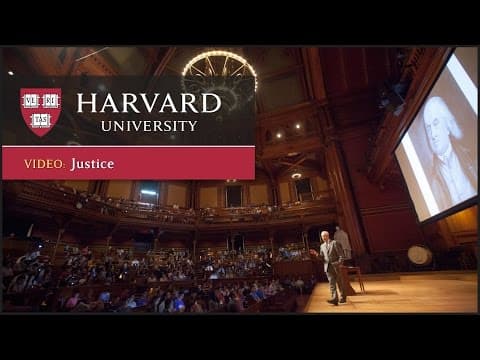
This blog post delves into the philosophical underpinnings of utilitarianism as proposed by Jeremy Bentham, examining its implications through real-world examples like the Ford Pinto case and the cost-benefit analysis of smoking in the Czech Republic. It discusses the ethical challenges of assigning monetary values to human life and the criticisms of utilitarianism, particularly regarding individual rights and the aggregation of values.
In the realm of moral philosophy, utilitarianism stands out as a significant doctrine, primarily associated with Jeremy Bentham. This blog post explores the core principles of utilitarianism, particularly the idea of maximizing utility, and examines its application in real-world scenarios, including controversial cost-benefit analyses.
Jeremy Bentham, born in 1748, was a pioneering figure in utilitarian philosophy. He proposed that the highest moral principle is to maximize general welfare or collective happiness, encapsulated in the phrase "maximize utility." Bentham argued that all moral systems must account for the sovereign forces of pain and pleasure, leading to the principle of the greatest good for the greatest number.
Bentham's utilitarianism posits that both individuals and communities should evaluate policies based on their ability to maximize happiness. This involves a systematic approach where the benefits of a policy are weighed against its costs, ultimately guiding legislators and citizens in making just decisions.
Utilitarian logic often manifests in cost-benefit analysis, a method employed by governments and corporations to evaluate the economic implications of various proposals. A notable example is a study commissioned by Philip Morris in the Czech Republic, which concluded that the government financially benefits from smoking due to tax revenues and savings on pensions and healthcare costs associated with early deaths from smoking-related diseases.
Another infamous illustration of utilitarianism in action is the Ford Pinto case from the 1970s. Ford conducted a cost-benefit analysis regarding the safety of the Pinto, which revealed that the cost of implementing safety measures outweighed the projected benefits from preventing fatalities and injuries. This analysis, which assigned a monetary value to human life, sparked outrage when it became public, highlighting the ethical implications of such calculations.
The practice of assigning dollar values to human life raises profound ethical questions. Critics argue that such analyses fail to account for the emotional and social costs of losing a loved one. For instance, while a monetary figure may be assigned to a life lost in an accident, it cannot encapsulate the suffering and loss experienced by families.
During discussions on utilitarianism, participants often express differing views on the validity of cost-benefit analysis. Some argue that it is necessary for making informed decisions, while others contend that it reduces human life to mere numbers, disregarding the intrinsic value of individuals.
Critics of utilitarianism raise two primary objections:
John Stuart Mill, a later utilitarian philosopher, sought to address some of the criticisms of Bentham's utilitarianism. He introduced the distinction between higher and lower pleasures, arguing that qualitative differences exist in human experiences. Mill posited that individuals who have experienced both types of pleasure would naturally prefer the higher ones, thus providing a basis for distinguishing between them.
Mill also emphasized the significance of individual rights within the framework of utilitarianism. He argued that respecting individual rights contributes to the overall utility of society, suggesting that justice and rights should not be easily traded off against lesser goods.
The exploration of utilitarianism reveals the complexities and ethical dilemmas inherent in applying its principles to real-world scenarios. While the goal of maximizing utility is noble, the challenges of valuing human life and respecting individual rights remain contentious issues. As we continue to grapple with these philosophical questions, the dialogue surrounding utilitarianism and its implications for policy and morality will undoubtedly persist.