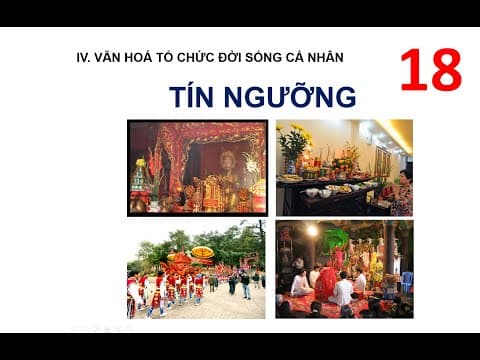
This blog post delves into the significance of beliefs in Vietnamese culture, distinguishing between folk beliefs and organized religions, and exploring various forms of worship, including fertility cults, nature worship, and ancestor veneration, highlighting their impact on Vietnamese customs and identity.
In the study of Vietnamese culture, beliefs play a crucial role in shaping the identity and practices of its people. This post will explore the concept of beliefs, distinguishing them from organized religions, and delve into various forms of worship that reflect the rich tapestry of Vietnamese cultural heritage.
Beliefs, or tín ngưỡng, are defined as the faith individuals hold in supernatural forces, aimed at explaining the world and providing spiritual peace. Unlike organized religions, which have founders and structured doctrines, folk beliefs are spontaneous, communal, and deeply rooted in the cultural identity of the Vietnamese people.
While both beliefs and religions share similarities, they differ significantly:
For instance, major religions like Christianity and Islam have billions of followers worldwide, while folk beliefs are more localized and adaptable.
The folk beliefs of the Vietnamese people are influenced by several factors:
One of the earliest and most enduring forms of belief in Vietnam is the fertility cult, which emphasizes the need for life continuity and prosperity. This belief is expressed through:
Nature worship is another significant aspect of Vietnamese beliefs, where natural elements are revered:
Ancestor worship is a deeply ingrained practice in Vietnamese culture, reflecting respect for lineage and heritage:
The beliefs of the Vietnamese people are not only spiritual but also manifest in various cultural expressions:
The beliefs and practices of the Vietnamese people are integral to their cultural identity, reflecting a harmonious relationship with nature, a deep respect for ancestors, and a vibrant community spirit. Understanding these beliefs provides insight into the values and traditions that continue to shape Vietnamese society today. Through rituals, art, and communal activities, these beliefs are preserved and celebrated, ensuring their relevance for future generations.