This article delves into the rich tapestry of Vietnamese culture through its various festivals and celebrations, highlighting their significance, traditions, and the communal spirit they embody. Key festivals such as Tết Nguyên Đán, Tết Trung Thu, and Tết Ông Công Ông Táo are explored, alongside the differences between Tết and lễ hội.
Vietnamese culture is deeply intertwined with its agricultural roots, and this connection is vividly expressed through its numerous festivals and celebrations. Each year, various Tết (New Year) and lễ hội (festivals) mark significant moments in the agricultural calendar, reflecting the community's values, beliefs, and traditions.
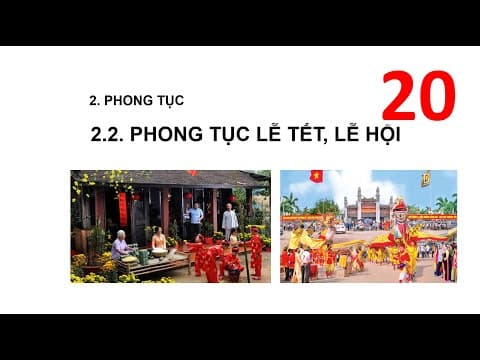
Tết and lễ hội are two fundamental aspects of Vietnamese culture, each serving distinct purposes and embodying different characteristics.
Tết, or the Vietnamese New Year, is a sacred time that typically occurs after the harvest season. It is a period for family reunions, honoring ancestors, and celebrating the new beginnings of the lunar calendar. Key Tết celebrations include:
In contrast to Tết, lễ hội are community-oriented celebrations that often take place in specific locations and are tied to local customs and traditions. They are characterized by their open nature, allowing participation from the broader community. Notable lễ hội include:
While both Tết and lễ hội share elements of spirituality and community, they differ in several ways:
Vietnamese festivals and celebrations are a vibrant reflection of the country's agricultural heritage and communal spirit. They serve not only as a means of honoring traditions and ancestors but also as a way to strengthen community bonds. Understanding these cultural practices provides deeper insight into the values and beliefs that shape Vietnamese society today. Through Tết and lễ hội, the essence of Vietnamese culture continues to thrive, celebrating both the past and the present in a harmonious blend of tradition and community.