This blog post delves into the unique aspects of Vietnamese culture, particularly focusing on the traditional eating habits that reflect the community's relationship with nature. It highlights the significance of rice, vegetables, and the use of chopsticks, while also discussing the cultural practices surrounding food and drink in Vietnam.
Vietnamese culture is deeply intertwined with the natural environment, particularly in the way people eat and utilize resources. This post explores the cultural significance of eating habits in Vietnam, emphasizing how they reflect the community's adaptation to nature and the agricultural lifestyle.
Eating is not merely a physical necessity in Vietnamese culture; it is a profound expression of community and identity. The Vietnamese approach to food is characterized by a strong connection to agriculture, particularly rice cultivation, which is central to their diet.
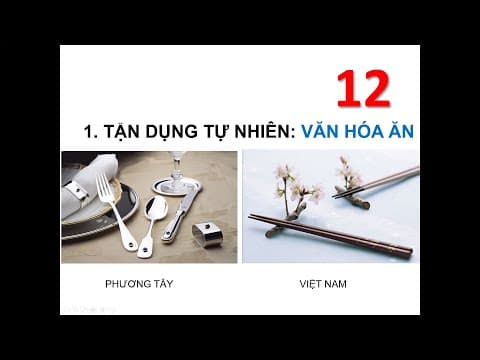
In contrast to Western cultures that primarily use forks and knives, Vietnamese people traditionally use chopsticks, often made from wood or bamboo. This tool is not just functional; it symbolizes the dexterity and resourcefulness of the Vietnamese people. The act of eating with chopsticks mimics the way birds pick food, reflecting the agricultural roots of the culture.
A typical Vietnamese meal is structured around rice, vegetables, and fish, showcasing the importance of plant-based foods. Rice, particularly white rice, holds a special place in Vietnamese cuisine, often referred to as the cornerstone of every meal. The phrase "eating rice" has become synonymous with having a meal, highlighting its significance.
Vegetables, especially water spinach and pickled mustard greens, are staples in Vietnamese meals. They are not only essential for nutrition but also feature prominently in folklore and traditional stories, emphasizing their cultural importance.
Fish, particularly freshwater varieties, is a common protein source in Vietnamese diets. The preparation of fish often involves balancing flavors to achieve harmony, reflecting the philosophical principles of yin and yang that guide Vietnamese culinary practices.
Food in Vietnam is more than sustenance; it is a medium for social interaction and cultural expression. The communal aspect of eating is evident in the way meals are shared among family and friends.
Drinking, particularly rice wine, plays a significant role in Vietnamese dining culture. It is customary to offer rice wine during important occasions, symbolizing hospitality and respect. The preparation of rice wine has historical roots, with evidence of its production dating back to ancient times.
Eating betel leaves, often accompanied by areca nut, is a unique cultural practice in Vietnam. This ritual is not just about consumption; it embodies social interactions and is often associated with significant life events, such as weddings and funerals.
The Vietnamese eating culture is a rich tapestry woven from the threads of nature, community, and tradition. It reflects a deep respect for the environment and a commitment to preserving cultural practices that have evolved over centuries. The significance of rice, vegetables, and communal dining illustrates how Vietnamese people have adapted their eating habits to harmonize with their natural surroundings, creating a unique cultural identity that continues to thrive today.