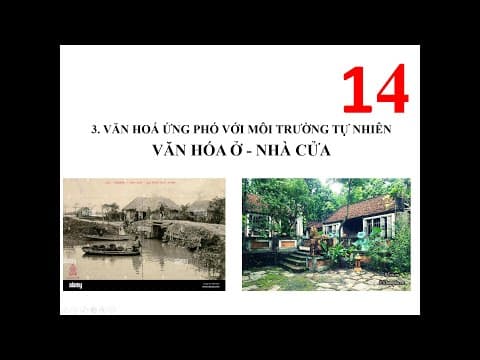
This article delves into the significance of housing in Vietnamese culture, highlighting its connection to agriculture, community, and the natural environment. It discusses the architectural styles, materials used, and the cultural values reflected in the design and location of Vietnamese homes.
Vietnamese culture places a significant emphasis on the concept of home, viewing it as one of the three major milestones in a person's life, alongside marriage and career. This article explores the cultural importance of housing in Vietnam, its architectural styles, and how it reflects the values and traditions of the Vietnamese people.
In Vietnamese society, the home is not just a physical structure; it embodies family, community, and national identity. The phrase "nhà tôi" (my house) can refer to one's spouse, illustrating the deep connection between family and home. Furthermore, the term "nhà nước" (state) reflects the broader concept of home, encompassing the nation itself.
The significance of housing in Vietnam is deeply rooted in its agricultural heritage. As a rice-growing nation, the Vietnamese people have historically valued stability and permanence, which is reflected in their housing choices. The traditional Vietnamese home is often built to withstand the elements, particularly in areas prone to flooding.
When selecting a site for a home, Vietnamese people prioritize proximity to water sources, which is essential for transportation and agriculture. The traditional criteria for choosing a location include:
These principles highlight the importance of community and accessibility in Vietnamese culture.
Vietnamese architecture is heavily influenced by the surrounding natural environment. Traditional homes often feature:
These designs not only serve practical purposes but also reflect the harmonious relationship between the Vietnamese people and their environment.
Vietnamese homes are designed to cope with the tropical climate, characterized by high humidity and heavy rainfall. Key architectural features include:
A typical Vietnamese home often includes a courtyard or garden, which serves multiple purposes:
The layout of Vietnamese homes encourages community interaction. Homes are often built close together, fostering relationships among neighbors. The concept of "tối lửa tắt đèn có nhau" (helping each other in times of need) is a testament to the communal spirit prevalent in Vietnamese culture.
Vietnamese architecture is characterized by flexibility, allowing homes to adapt to the needs of their inhabitants. For example, traditional homes often feature:
The architecture of Vietnamese homes is a reflection of the country's agricultural roots, cultural values, and environmental considerations. From the choice of location to the design and materials used, every aspect of a Vietnamese home tells a story of resilience, community, and harmony with nature. Understanding these elements provides deeper insight into the rich tapestry of Vietnamese culture and its enduring connection to the land and its people.