This blog post explores the profound impact of death on human perspective, drawing from Caitlin Doughty's insights and the experiences of philosopher Val Plumwood. It discusses the societal denial of death, the misconceptions surrounding it, and how embracing mortality can lead to a more meaningful existence and a deeper connection with the natural world.
We need to talk about death! It's an inevitable part of life, yet many of us avoid the topic, which can be detrimental both personally and socially. Philosopher Val Plumwood learned this lesson in a harrowing way during a canoeing expedition in Northern Australia in 1985, where she had a near-death encounter with a saltwater crocodile. This experience forced her to confront the reality of mortality and the societal tendency to view humans as exceptional beings, separate from the natural world.
Plumwood's confrontation with the crocodile made her realize that despite our beliefs in human superiority, we are ultimately part of the food chain. She reflected on how society promotes a sense of human exceptionalism, leading us to overlook our vulnerabilities. In her words, "Until that moment, I knew that I was food in the same remote, abstract way that I knew I was animal, was mortal." This stark realization highlights how abstract knowledge of death becomes concrete when faced with the reality of it.
Even in death, many cling to the notion of being special. Plumwood critiques funeral practices that treat death as a spiritual journey, disconnected from nature. For instance, she describes her visit to the Cathedral of our Lady of the Angels in Los Angeles, where the mausoleum felt sterile and lifeless, reflecting a societal attitude that death is something to be transcended rather than embraced.
This denial of death influences our perspectives on various issues, including climate change and violence. Plumwood argues that our separation from the natural world contributes to our inability to address these pressing problems effectively.
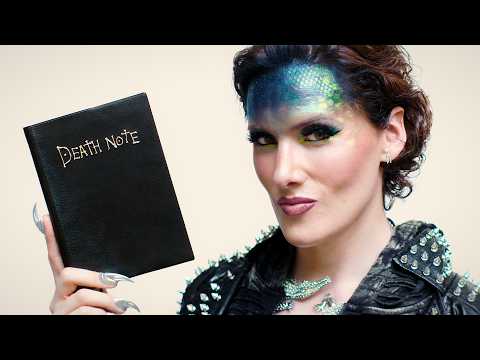
Caitlin Doughty, known as "Ask A Mortician," further explores how society misrepresents death. In her book "Smoke Gets in Your Eyes," she discusses how media portrayals of death often feature living actors, creating unrealistic expectations for how deceased loved ones should appear at funerals. The funeral industry employs various techniques to make corpses look peaceful, which can mislead families about the natural processes of death.
Doughty emphasizes that our cultural expectations of death are often distorted, leading to a lack of understanding about what happens to our bodies after we die. She notes that most of a corpse is water, which evaporates during cremation, and that the processes used to prepare bodies for viewing can be highly unnatural.
The philosopher Ernest Becker posits that humans are split between their awareness of their unique existence and the reality of their mortality. This duality leads to a denial of death, prompting individuals to create "hero projects"—achievements that they hope will grant them a sense of immortality. These projects can range from career success to having children, but they often overlook the inevitability of death.
Doughty suggests that instead of denying death, we should embrace it. This perspective is gaining traction, as more people seek burial methods that allow for natural decomposition, such as human composting. By accepting our mortality, we can contribute to the natural cycles of life rather than hoarding resources.
In today's digital age, the question of what happens to our online presence after death is increasingly relevant. Doughty discusses the complexities surrounding digital remains, such as social media accounts and online profiles. Unlike physical bodies, there is no standardized process for managing digital legacies, leading to a growing number of deceased individuals' online personas lingering indefinitely.
The discussion of death extends beyond individual experiences to societal and political realms. Organizations often struggle to confront death, leading to a phenomenon known as organizational ignorance. This ignorance can manifest in various ways, such as the inability to acknowledge the deaths of marginalized groups or the consequences of war and violence.
Judith Butler's concept of "grievable lives" highlights how certain lives are deemed worthy of mourning while others are not. This selective grieving shapes political discourse and can perpetuate cycles of violence and indifference.
Ultimately, the insights from Caitlin Doughty and Val Plumwood encourage us to confront our mortality rather than shy away from it. By acknowledging death as a natural part of life, we can foster a deeper connection with the world around us and with each other. Embracing our shared vulnerability can lead to a more compassionate society, where we recognize the value of every life and the importance of nurturing the natural cycles of existence.
As we reflect on our own lives and legacies, let us remember that death is not an end but a transformation, a return to the earth that nourishes new life. In the words of Plumwood, we are all food, and in that realization lies a profound humility and interconnectedness with the world.