This article explores how chronic pain profoundly affected my life and how various philosophical ideas, including absurdism, existentialism, and acceptance of impermanence, provided comfort and guidance. It discusses the challenges of uncertainty, resentment, bad faith, and the evolving nature of personal meaning, emphasizing that philosophy is a continuous journey rather than a fixed solution.
If you are experiencing significant physical or emotional pain, this reflection may resonate with you. This article is one of the most personal I have ever written, as it delves into my own struggles with chronic pain and the philosophies that helped me endure some of my darkest moments.
I suffer from a condition that causes chronic pain, sometimes severe enough to confine me to bed for months. Despite medical efforts, the root cause remains unclear, with only the physical damage visible. During the peak of my suffering, I was exhausted, had lost a lot of blood, and found little joy or energy to engage with life or others.
One of the most agonizing aspects of enduring pain was the uncertainty about whether it would ever improve. This wavering between hope and despair added a new layer of suffering. I found solace in the philosophy of Albert Camus, who described the world as absurd — a place where we seek meaning but are met with chaos.
My longing for certainty about my pain’s duration and severity only intensified my suffering. Accepting that the universe owes me nothing paradoxically brought relief, transforming what felt like cosmic injustice into something ordinary and less terrifying.
Camus also suggested that we should stop making quality judgments about our experiences. Labeling pain as "bad" only adds mental distress to physical suffering. Gradually, I learned to withhold negative judgments about my pain, which helped me cope better.
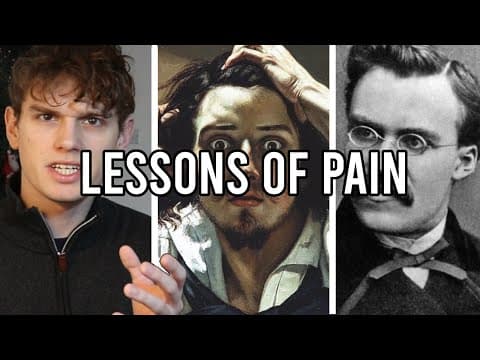
During my worst times, I noticed a disturbing change in my behavior — I became resentful and spiteful. I recognized this pattern in Dostoevsky’s Notes from the Underground, where a person revels in their pain by wishing others to suffer as well.
I found myself envying others’ happiness and lashing out at loved ones. This resentment only worsened my condition. Reflecting on Nietzsche’s The Antichrist, I admired Jesus Christ’s ability to bear suffering without resentment or envy. This insight helped me realize that resentment was counterproductive and harmful.
Learning to see others’ happiness not as a personal affront but as events separate from my own experience was crucial. Happiness is not a zero-sum game, though it can feel that way when we are in pain.
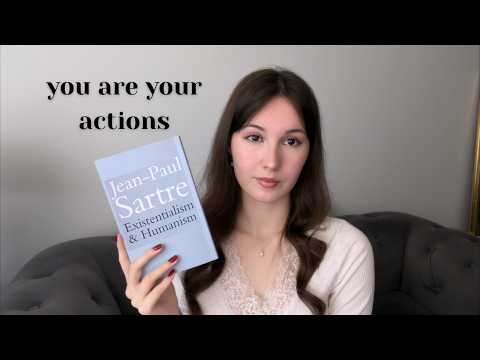
Jean-Paul Sartre’s concept of "bad faith" profoundly influenced me. Sartre wrote about the pressure of freedom — the idea that without objective meaning or divine guidance, we are entirely responsible for our choices.
People often escape this responsibility by convincing themselves they have no choice, attributing their actions to external forces. I caught myself doing this, telling myself I couldn’t read or think because of pain. While pain was distracting, it did not prevent me from trying.
Recognizing these self-deceptive habits helped me distinguish between rational thought and lazy, unhelpful thinking. This awareness has been an ongoing project, helping me regain some control over my life despite limitations.
Ancient Greek philosopher Heraclitus famously said, "You cannot step into the same river twice," emphasizing constant change. While our culture often values permanence, embracing impermanence brought me comfort.
I observed my pain closely, noting its fluctuations. I realized that emotionally investing in pain-free moments as if they would last forever only set me up for greater distress when pain returned. This attachment to permanence intensified my suffering.
Accepting the fluidity of my condition helped me break the vicious cycle of frustration and anger. It also taught me to let go of constant predictions and expectations about the future, which only led to dashed hopes.
Philosopher Arthur Schopenhauer argued that desire for the future to be a certain way causes suffering. While I don’t fully agree, this philosophy is useful when feeling powerless. Acceptance, even if it feels like passivity, can be a source of peace.
My philosophy during illness was vastly different from when I was healthy and energetic. Previously, I worked long hours and sought motivation to fuel endless activity. Being bedridden forced me to adopt a philosophy of acceptance and patience.
This experience taught me there is no perfect, permanent philosophy for life. Instead, our personal philosophy must evolve with our circumstances.
The classic philosophical question, "What is the meaning of life?" often seeks a long-lasting fulfillment. Traditionally, religion provided answers, but without it, existentialists argue we must create subjective meaning.
I propose that meaning is not only subjective but also contextual — it changes with time, situation, and personal growth. What brings meaning during one life stage may not suffice in another.
For example, having children can bring new meaning, while losing a loved one may prompt a search for new sources of fulfillment. This ongoing evolution means we cannot settle on a single, permanent philosophy.
Many today offer definitive solutions to living a meaningful life, but I encourage skepticism. Human experience is too complex for a single approach. Philosophies that once helped may later feel inadequate.
For instance, Camus’ absurdism might resonate for years until life circumstances change. Faith in a higher power might falter, leading one to find comfort in existentialist ideas. Stoicism might help for a time, but later, embracing nature’s rhythms might be necessary.
Philosophy is not a one-time achievement but a continuous process of revision and adaptation.
Living with chronic pain and uncertainty has been a profound philosophical journey. Embracing absurdism helped me accept uncertainty; resisting resentment preserved my relationships; confronting bad faith restored my sense of agency; and accepting impermanence brought peace.
Meaning is fluid and contextual, requiring ongoing reflection and adjustment. While there is no final answer, philosophy offers tools to find pockets of comfort and resilience along the way.
If you are struggling, know that you are not alone, and that philosophy can be a companion through hard times, helping to illuminate a path forward even in the darkest moments.