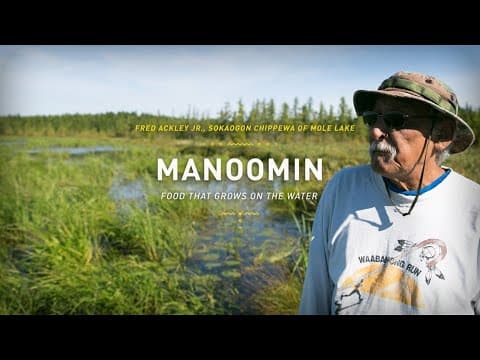
This blog post explores the cultural significance and traditional practices surrounding manoomin, or wild rice, as shared by Fred Ackley Jr., emphasizing its importance to the Anishinaabe people and their connection to nature.
In the heart of the Anishinaabe culture lies a deep reverence for nature and its gifts. One of the most cherished of these gifts is manoomin, or wild rice, which holds not only nutritional value but also spiritual significance. Fred Ackley Jr., a lifelong harvester of this sacred grain, shares his experiences and the traditions that surround the harvesting of manoomin.
Fred Ackley Jr. begins with a profound statement: to truly understand the world, one must love it. For him, this love is embodied in his connection to manoomin and the lakes where it grows. Having spent 55 years harvesting wild rice, Ackley reflects on how this practice has shaped his life. He recalls his childhood, where picking rice was not just a task but a rite of passage, teaching him the value of hard work and respect for nature.
The act of harvesting manoomin is rhythmic and communal. Ackley describes the process vividly, detailing how he and his partner work in harmony. The poler navigates through the rice beds, while the tapper rhythmically strikes the plants, creating a sound that resonates with the natural world. This rhythm is not just a method of harvesting; it is a form of prayer and gratitude. Each strike is accompanied by a silent acknowledgment of thanks, or "miigwech," to the rice for its sustenance.
For Ackley, gratitude is central to the harvesting experience. As he taps the rice, he expresses his appreciation for the life it sustains. This spiritual connection is vital, as he believes that honoring the rice ensures the continuation of life for both the people and the land. The act of harvesting becomes a sacred ritual, intertwining the physical and spiritual realms.
Once harvested, manoomin undergoes a careful preparation process. Ackley recalls his grandmother's methods of roasting and parching the rice, emphasizing the importance of aroma and technique. Properly prepared, manoomin can last for years, serving as a vital food source and a form of medicine. This knowledge, passed down through generations, highlights the importance of tradition in preserving cultural practices.
Ackley shares that the Creator bestowed manoomin upon the Anishinaabe people as a means of survival. This belief underscores the importance of maintaining traditions and spiritual practices associated with wild rice. He warns that if these traditions are neglected, there could be dire consequences for the world. The act of harvesting manoomin is not merely about sustenance; it is a spiritual obligation to keep the cycle of life intact.
The story of manoomin is a testament to the deep connection between the Anishinaabe people and their environment. Through the words of Fred Ackley Jr., we gain insight into the cultural, spiritual, and practical significance of wild rice. As we reflect on these traditions, it becomes clear that preserving such practices is essential not only for the Anishinaabe but for the health of our planet as a whole. The call to honor and respect nature is a universal message that resonates beyond cultural boundaries, reminding us of our shared responsibility to the Earth and its gifts.