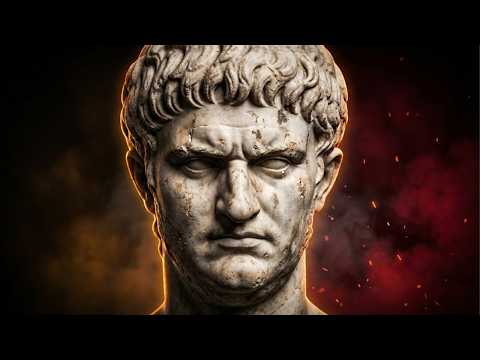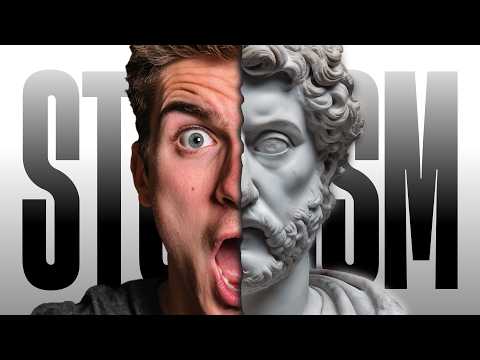
Marcus Aurelius, a Roman Emperor and a key figure in Stoicism, exemplified a life of virtue amidst the temptations of power. His personal writings, known as Meditations, reveal profound insights on human nature, adversity, and the pursuit of true happiness through virtue rather than material wealth.
Stoicism posits that the wise and good person lives in accordance with nature, fearing only the abdication of moral responsibility. This philosophy teaches that one should not fear pain, death, or poverty, but rather the failure to live up to one’s potential as a complete human being.
Marcus Aurelius, who reigned as Roman Emperor from 161 AD to 180 AD, is often regarded as one of the founding fathers of Stoicism. He was the last of the five good emperors and ruled during a period known as the Pax Romana, a time of relative peace and stability across the Roman Empire. Despite the immense power and luxury available to him, Marcus Aurelius chose a path of virtue over hedonism, which was the expected lifestyle of Roman emperors.
In a position where he could indulge in any desire, Marcus Aurelius consistently chose to live a virtuous life. His commitment to goodness was not a fleeting choice but a daily practice throughout his 19-year reign. This steadfastness in virtue, even when faced with the temptations of power, is a testament to his character.
Imagine facing the allure of unlimited fantasies and still declaring a commitment to virtue. This is the remarkable legacy of Marcus Aurelius. His personal journal, known as Meditations, serves as a window into his thoughts and beliefs, revealing a man dedicated to self-improvement and moral integrity.
Meditations is not a structured book but rather a collection of Marcus Aurelius's reflections, divided into twelve parts. Written for himself, it was never intended for publication. Despite its informal nature, it stands as one of the most powerful philosophical texts ever written.
Living in Accordance with Nature
Marcus Aurelius believed that just as trees grow to their fullest potential without seeking external validation, humans too must strive to fulfill their potential. He emphasized that true achievement lies in being the kindest and most virtuous person possible.
The Nature of Adversity
Adversity is an inevitable part of life. Marcus taught that while we cannot control the challenges we face, we can control our reactions to them. He encouraged embracing adversity with bravery and viewing it as an opportunity for growth.
Understanding Human Flaws
Marcus recognized that bad people exist and that their actions often stem from ignorance rather than malice. He urged himself to look inward and acknowledge his own faults before judging others.
The Importance of Community
He believed that humans are inherently social beings, born to help one another. Failing to fulfill this duty is the only true failure in life.
The Acceptance of Death
Death is an unavoidable aspect of life. Marcus advised against fearing it, instead suggesting that one should live fully, be kind, and fulfill their role in nature before accepting death as a part of life.
At the core of Stoic philosophy is the distinction between pleasure and happiness. While pleasure is derived from external stimuli such as wealth and fame, true happiness is a state of being that comes from within. Marcus Aurelius taught that happiness is achieved through a life of virtue and self-betterment.
Marcus Aurelius's life and writings offer profound insights into the human condition. His commitment to virtue, even in the face of immense temptation, serves as a powerful example for all. The true measure of greatness, according to Marcus, lies not in external achievements but in the fulfillment of one’s potential and the pursuit of a virtuous life. In a world filled with distractions and superficial desires, his teachings remain relevant, reminding us that our duty is to strive for greatness in our character and actions.