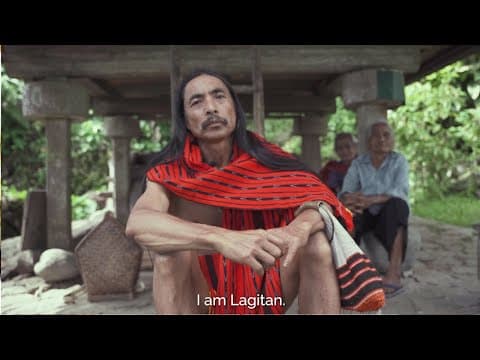
The Mumbaki, traditional healers of the Ifugao people, embody a rich cultural heritage that emphasizes spiritual connection, healing practices, and environmental stewardship. This blog explores the significance of Mumbaki, their training, rituals, and the challenges they face in preserving their traditions amidst modern influences.
The Mumbaki are revered figures in the Ifugao culture, serving as spiritual healers and custodians of ancient wisdom. This blog delves into the essence of being a Mumbaki, the rituals they perform, and the challenges they face in preserving their traditions in a rapidly changing world.
The Mumbaki are not just healers; they are intermediaries between the human world and the deities. They engage in conversations with various spirits, reciting prayers and chants that reflect a deep spiritual connection. This practice is akin to having a dialogue with the divine, where the Mumbaki communicates as if speaking to a person.
The journey to becoming a Mumbaki begins in childhood. A child who shows interest in the rituals and ceremonies is often observed by existing Mumbakis. If the child consistently attends rituals and demonstrates a genuine curiosity, they may be initiated into the Mumbaki lineage. This initiation connects them to past Mumbakis and the pantheon of deities they serve.
Mumbaki practices are divided into two main categories: healing for humans and healing for plants. A significant focus is placed on rice, which is central to the Ifugao way of life. Throughout the year, there are 23 rituals dedicated to rice, each with its own specific intention and purpose. These rituals not only aim to ensure a bountiful harvest but also to maintain harmony with nature.
The Mumbaki's healing practices are seen as powerful tools that should be shared with the world. There is a growing concern that these practices are not widely recognized or appreciated outside of their cultural context. The Mumbaki believe that their knowledge can contribute to global healing and environmental sustainability.
Despite the rich cultural heritage, the Mumbaki face significant challenges, particularly from the younger generation. Many youths are drawn to modern lifestyles portrayed in media, leading to a decline in interest in traditional practices. This shift in mindset poses a threat to the preservation of Ifugao culture and the Mumbaki's role within it.
The influence of media and modern lifestyles has changed the aspirations of many young people. They often prefer the glamorous lives depicted on television over the traditional ways of their ancestors. This cultural shift has resulted in a lack of interest in the Mumbaki's teachings and practices, which are vital for maintaining their cultural identity.
To combat these challenges, there is a call to revive Mumbaki practices and traditional farming methods. The use of modern agricultural chemicals has detrimental effects on the environment, including the erosion of ancient rice terraces that have sustained the Ifugao people for centuries. By returning to traditional methods, the Mumbaki aim to restore balance and respect for the land.
The Mumbaki emphasize the importance of respecting all forms of life and the interconnectedness of human existence with nature. They advocate for a collective effort to honor the traditions of past Mumbakis and to work together for the well-being of the Earth. By embracing these values, the Mumbaki believe that a sustainable future can be achieved.
The Mumbaki are more than just spiritual healers; they are vital links to the Ifugao's rich cultural heritage. Their practices and beliefs offer valuable insights into sustainable living and environmental stewardship. As the world becomes increasingly modernized, it is crucial to recognize and support the Mumbaki in their efforts to preserve their traditions and share their wisdom with future generations.