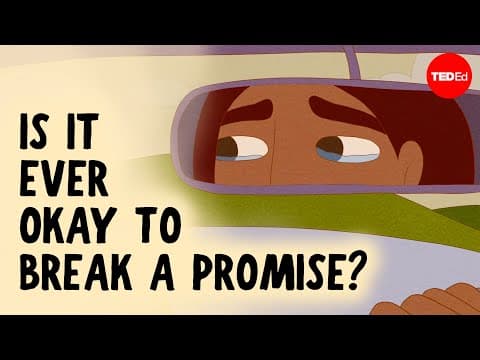
This blog post explores the ethical implications of keeping deathbed promises through the story of Zaina, who grapples with her late wife Yvonne's wishes amidst changing circumstances. It examines philosophical perspectives on promises, self-determination, and the legacy of the deceased.
For decades, Zaina and Yvonne shared a loving marriage while co-leading a non-profit organization dedicated to developing a cure for a life-threatening disease. Their work was primarily funded by the profits from a successful company that Yvonne founded. However, their lives took a tragic turn when they were involved in a car accident, leading to Yvonne being rushed to the hospital. In her final moments, Yvonne made two poignant requests of Zaina: to continue using the company’s funds to support their non-profit and to reaffirm a pledge they had made years earlier to never remarry.
Zaina, heartbroken yet committed, promised to uphold Yvonne’s wishes. Over the next decade, she honored these commitments. However, as time passed, significant changes occurred. Major pharmaceutical companies were on the verge of discovering a cure for the disease they had been fighting against, and Zaina found herself in a new relationship, experiencing happiness once again. This led her to question the validity of her promises to Yvonne in light of her new circumstances.
The dilemma Zaina faces raises profound questions about the nature of promises and their ethical implications. Philosopher Tim Scanlon posits that making a promise creates interpersonal expectations, assuring another person of our future actions. However, with Yvonne no longer able to make plans, one might argue that Zaina's decision primarily impacts herself.
Yet, philosophers like John Rawls and David Hume suggest that the act of keeping promises extends beyond individual relationships to encompass societal values. Hume views promises as essential for signaling trustworthiness, while Rawls emphasizes fairness, arguing that if one benefits from the social practice of promising, they are obligated to uphold their commitments.
This raises the question: do these societal concerns apply to promises made to the deceased? While some might argue that Zaina's focus should be on honoring Yvonne's memory rather than abstract societal obligations, the complexity of the situation cannot be overlooked. Most philosophers agree that promises made under coercion or deceit lack binding power. Zaina's promises were made during a moment of emotional duress, leading to the question of whether they should be considered legitimate.
If we assume the promises are valid, we can analyze Zaina's situation through the lens of self-determination. John Locke, an English philosopher, argues that individuals possess a natural right to self-ownership, which limits how much others can dictate their actions. This perspective suggests that Zaina's right to remarry should not be overridden by her promises, especially regarding her personal happiness.
Conversely, one must consider Yvonne's rights. Did they vanish upon her death, or does she retain authority over her legacy, relationships, and financial resources? Many legal systems protect the assets of the deceased, indicating that Yvonne's wishes regarding her money should be respected. Zaina believes that Yvonne would prefer the funds to be allocated to areas of greater need, such as research into less understood diseases, which complicates the ethical landscape further.
The discussion surrounding ownership and authority may seem detached from the emotional realities of Zaina's situation. Feminist philosophers Natalie Stoljar and Catriona Mackenzie argue that our identities are shaped by societal relationships. Zaina's identity and values are intertwined with her marriage to Yvonne, suggesting that honoring their marriage and the promises made within it could serve as a means for Zaina to affirm her own identity.
Given the multitude of factors at play, Zaina's situation presents a complex ethical dilemma. Should she continue to uphold her late wife's wishes, or is it justifiable to adapt those promises in light of her new circumstances? The question remains: what would you do if you were in Zaina's position? This scenario invites us to reflect on the nature of promises, the rights of the deceased, and the importance of self-determination in our lives.