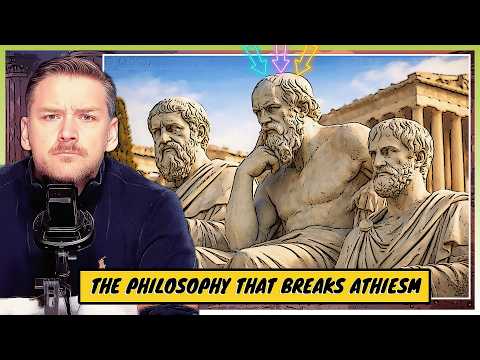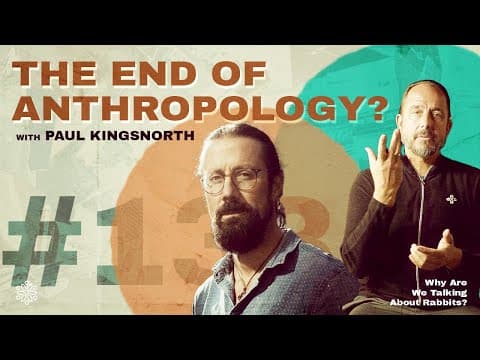
In a thought-provoking discussion, Paul Kingsnorth explores the complexities of modern narratives surrounding evolution, faith, and the human experience. He argues that the current cultural crisis stems from a spiritual void, as traditional values clash with contemporary ideologies, particularly in the context of identity and meaning.
In a recent episode of the podcast "Why Are We Talking About Rabbits?" Paul Kingsnorth, an author and thinker, delves into the intricate relationship between modern narratives of evolution, faith, and the human experience. His insights challenge the prevailing narratives that often dismiss traditional beliefs in favor of a purely materialistic worldview.
Kingsnorth begins by discussing how the story of evolution has been intertwined with atheistic narratives, suggesting that the acceptance of evolutionary theory has led many to dismiss the medieval Christian worldview as obsolete. He argues that while evolution as a scientific concept may hold merit, the narrative surrounding it often devalues human existence by framing it as a mere accident of nature.
He posits that every culture requires an origin story, and for Western society, evolution has become that story. However, he expresses concern that this narrative has stripped humanity of its inherent value, reducing individuals to mere products of chance.
Kingsnorth emphasizes the importance of storytelling in conveying complex ideas. He believes that writing about profound themes requires a human touch, one that resonates with readers on a personal level. He strives to communicate his thoughts in a way that is accessible and relatable, avoiding the dense language often found in academic writing.
He reflects on his own writing journey, noting that he often begins essays with personal anecdotes or vivid imagery to ground his discussions in human experience. This approach, he argues, is essential for making abstract concepts relevant to people's lives.
As the conversation progresses, Kingsnorth highlights the tension between traditional Christian beliefs and contemporary ideologies, particularly in relation to identity and the self. He critiques the modern therapeutic culture, which he believes fosters a form of narcissism that prioritizes individual feelings over communal truths.
He draws parallels between the current discourse on gender identity and historical movements that sought to redefine human nature. Kingsnorth warns that this shift towards a fluid understanding of identity could lead to a new form of anthropological crisis, one that undermines the very foundations of human dignity and purpose.
A significant part of Kingsnorth's argument revolves around the concept of asceticism. He suggests that the lack of ascetic practices in modern society contributes to its moral and spiritual decline. By rejecting the discipline of fasting and self-restraint, contemporary culture has embraced a hedonistic lifestyle that prioritizes immediate gratification over long-term fulfillment.
He argues that asceticism is not only a path to spiritual growth but also a necessary practice for cultivating a healthier society. By learning to desire less, individuals can reclaim their freedom from the incessant demands of consumerism and technology.
Kingsnorth concludes by reflecting on the broader implications of these discussions for Western culture. He believes that the current spiritual crisis is rooted in a collective turning away from God and traditional values. As society grapples with this void, he foresees a resurgence of interest in spiritual explanations for existence, as people seek meaning in a world that often feels chaotic and devoid of purpose.
He warns that without a return to foundational truths, society risks descending into further confusion and conflict, as competing narratives vie for dominance in the public sphere.
In this engaging dialogue, Paul Kingsnorth challenges listeners to reconsider the narratives that shape their understanding of existence. By advocating for a return to storytelling, asceticism, and a deeper exploration of faith, he invites a reevaluation of what it means to be human in an increasingly mechanized world. As the clash of worldviews continues, the search for meaning remains a pressing concern for individuals and communities alike.