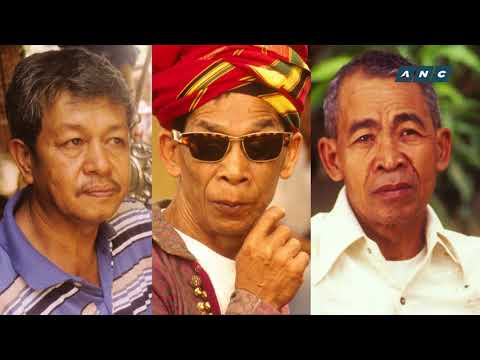
This blog post explores the intricate artistry and cultural significance of three traditional Filipino artists: Eddie Muk, Federo Cabalero, and Wang AAS. Through their crafts, chants, and music, they embody the resilience of indigenous cultures in the face of modern challenges, emphasizing the importance of preserving these living traditions for future generations.
In a world where rapid change often overshadows tradition, the importance of documenting and preserving cultural heritage becomes paramount. This blog post delves into the lives and works of three remarkable Filipino artists—Eddie Muk, Federo Cabalero, and Wang AAS—who serve as living vessels of their communities' rich traditions. Their artistry not only reflects their cultural identity but also embodies a commitment to preserving the knowledge and practices that have survived colonization, conflict, and marginalization.
Eddie Muk, a metalwork artist from Pampanga, is a man of few words, preferring to let his intricate creations speak for themselves. His work includes altars, frontals, and other pieces of religious furniture that connect us to the Baroque era of Catholicism in the Philippines. Muk's craftsmanship is not merely about aesthetics; it is a reflection of a long-standing tradition that is at risk of fading away.
Muk's artistry is characterized by the technique of beaten metal, a skill that he has inherited and honed over the years. His ability to transform a vision from paper into a finished piece is a testament to his dedication and talent. Unfortunately, few artisans continue this tradition in the country, making Muk's work all the more valuable. His hope is to pass on his skills to the younger generation, ensuring that this intricate art form does not vanish.
Federo Cabalero, a chanter from Iloilo, embodies the power of oral tradition. Despite facing personal tragedy with the loss of his son, Cabalero continues to share his knowledge and passion for the epic chants of his people. He has committed to memory ten important epic tales, which he performs in the Kinaray language. These stories, rich with mythic heroes and cultural significance, are a vital part of his community's heritage.
Cabalero's work is not just about preserving stories; it is about fostering a sense of identity and continuity within his community. He travels from village to village, encouraging older generations to learn to read and write, thereby revitalizing the oral traditions that are at risk of being forgotten. His efforts highlight the importance of community engagement in preserving cultural practices.
Wang AAS, a blind musician from Basilan, showcases the intricate rhythms of Yakan music. His mastery of various instruments, including the bamboo silophone and other traditional instruments, creates a vibrant tapestry of sound that captivates audiences. Wang's blindness has not hindered his musical abilities; rather, it has deepened his understanding of music and rhythm.
The Yakan musical tradition is characterized by its complex interlocking rhythms, which Wang AAS has mastered. His performances are a family affair, where each member contributes to the creation of music that is both joyous and culturally significant. The visual spectacle of their traditional attire adds to the richness of their performances, making them a living work of art.
Despite the incredible talents of artists like Muk, Cabalero, and Wang AAS, the preservation of cultural heritage faces numerous challenges. The government’s support for traditional artists is limited, and there is a need for more researchers and resources to document these practices effectively. Additionally, the commercialization of art can lead to the isolation of artists from their communities, undermining the collective nature of cultural expression.
The Gawad sa Manlilikha ng Bayan (GAMABA) award recognizes these living treasures, but it also brings challenges, such as the pressure from relatives seeking financial gain from the artists' recognition. It is crucial to maintain the integrity of these traditions and ensure that artists remain connected to their communities.
Eddie Muk, Federo Cabalero, and Wang AAS are not just artists; they are custodians of their cultural heritage. Their work reflects the intricacies and complexities of their respective traditions, serving as a reminder of the resilience of indigenous cultures. As they pass on their knowledge, they invite us to appreciate and celebrate the richness of our shared heritage. The responsibility to preserve these living traditions lies not only with the artists but also with the community and society at large. By valuing and supporting these cultural practices, we can ensure that they continue to thrive for generations to come.