The fourth season of Dayaw highlights the importance of preserving Filipino culture through the stories and legacies of traditional artists recognized by the Gawad Manlilikha ng Bayan award. These artists, who have dedicated their lives to their crafts, embody the resilience and richness of Filipino heritage, showcasing the need for cultural documentation and appreciation.
In a world where change is constant, the preservation of culture becomes increasingly vital. The fourth season of Dayaw focuses on the bearers of Filipino culture, exploring how they pass on knowledge that has survived colonization, conflict, and marginalization. These culture bearers are the living vessels of our heritage, and their contributions must be recognized and celebrated.
The Gawad Manlilikha ng Bayan (GAMABA) award, established by the Philippine government, honors the finest traditional artists in the country. This distinction, institutionalized through Republic Act 7355 in 1992, aims to recognize those who have dedicated their lives to preserving Filipino traditions. Since its inception, 13 traditional artists have received this prestigious award, highlighting the rich tapestry of Filipino culture.
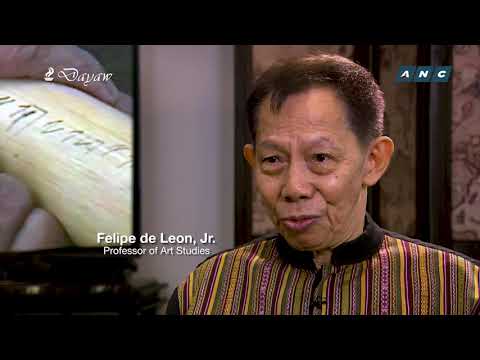
Professor Elena Mirano, an educator and musicologist, emphasizes the significance of recognizing our living culture. She notes that understanding our traditions is essential to knowing who we are as a people. The GAMABA award serves as a reminder of the deep cultural roots embedded in Filipino identity, often overlooked in modern society.
The first batch of GAMABA awardees included remarkable individuals whose legacies continue to inspire. Their contributions to music, weaving, storytelling, and other traditional arts reflect the richness of Filipino culture.
One of the most celebrated artists was Samon Suan, a master of the two-string kapi. His music, described as mystical and delicate, resonated deeply with listeners. Suan was not just a musician; he embodied the spirit of being Filipino, engaging with his community while sharing his art across the nation. His performances were a blend of tradition and self-expression, leaving a lasting impact on those who experienced his artistry.
Masino Inay, a chanter and storyteller from Palawan, was another notable GAMABA awardee. His ability to weave narratives through music preserved the rich oral traditions of his people. Inay's legacy lives on through his children, who continue to share the stories and songs of their heritage, ensuring that the cultural knowledge of their ancestors remains vibrant.
Gin Belog, a Manan weaver from Oriental Mindoro, dedicated his life to preserving the ambahan tradition. His mastery of this poetic form and the Surat Manan syllabary linked his community to a broader Southeast Asian cultural heritage. Belog's efforts to revive and popularize these traditions among the youth exemplify the importance of passing down cultural knowledge.
Lang Dulai, the first Tiboli weaver to receive the GAMABA award, is remembered for her exceptional skill in weaving tinala cloth. Her mastery of dyeing and design not only showcased her talent but also inspired a new generation of weavers. Dulai's emphasis on education and her leadership in the community further solidified her legacy as a cultural icon.
Other awardees, such as Amina Appi and Darata Saabi, exemplified the humility and dedication of traditional artists. Appi's intricate mat weaving and Saabi's revival of silk weaving highlight the diverse skills and artistry present in Filipino culture. Their work, often overlooked, is a testament to the rich heritage that continues to thrive despite modern challenges.
The stories of these past masters remind us of the fragility of cultural heritage. As we navigate a rapidly changing world, it is crucial to honor and preserve the contributions of traditional artists. Their work not only enriches our understanding of Filipino identity but also serves as a bridge connecting us to our roots.
In conclusion, the GAMABA awardees have left an indelible mark on the cultural landscape of the Philippines. Their legacies inspire us to appreciate the depth of our traditions and the importance of passing them on to future generations. As we reflect on their contributions, let us commit to recognizing and valuing the diverse tapestry of Filipino culture, ensuring that it remains alive for years to come.