Dayaw Season 4 explores the vital role of culture bearers in preserving Filipino traditions and identities, highlighting the achievements of past masters who have contributed significantly to the nation's cultural heritage despite facing challenges such as colonization and modernization.
In a world where change is constant, the importance of documenting and preserving cultural heritage remains paramount. Dayaw Season 4 delves into the lives of culture bearers—individuals who dedicate their lives to safeguarding the rich traditions and knowledge of their communities. This season emphasizes the resilience of these bearers, who have survived colonization, conflict, and marginalization, yet continue to thrive and inspire.
Culture bearers are the living vessels of knowledge, pride, and identity. They embody the essence of Filipino culture, showcasing the artistic expressions that define the nation. Despite facing indifference and challenges, these individuals remain relevant, and their achievements deserve recognition. The Gawad Manlilikha ng Bayan (National Living Treasures Award) is a prestigious distinction awarded by the Philippine government to honor the finest traditional artists in the country. Established in 1992, this award has recognized 13 exceptional artists who have made significant contributions to preserving Filipino culture.
Traditional artists, often referred to as "katutubo," are the keepers of the Filipino soul. Their work is a source of identity and pride, reflecting the rich tapestry of Filipino culture. The search for these artists is conducted by the National Commission for Culture and the Arts, which aims to identify those who have preserved their traditions amidst the pressures of modernization.
Professor Elena Morano, a prominent musicologist, emphasizes the importance of recognizing living cultures. She notes that understanding our traditions is crucial to understanding our identity. The Gawad Manlilikha ng Bayan serves as a reminder of the deep cultural roots that exist within the Philippines, often unnoticed yet vital to the nation's identity.
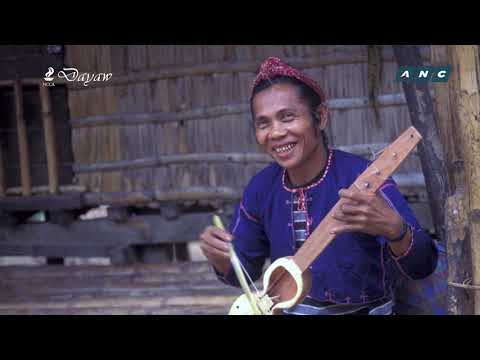
The first batch of Gawad Manlilikha ng Bayan awardees included remarkable individuals whose legacies continue to inspire. Their contributions to music, weaving, storytelling, and other forms of art have left an indelible mark on Filipino culture. For instance, the late Samoan Suleiman, a master of the two-stringed lute, captivated audiences with his mystical and delicate music, embodying the spirit of Filipino artistry.
Similarly, Massino Interi, a chanter and storyteller from Palawan, preserved the rich oral traditions of his community. His performances not only entertained but also educated the younger generation about their cultural heritage. The legacy of these past masters is carried on by their families and students, ensuring that their traditions remain alive.
Weaving is a significant aspect of Filipino culture, often associated with women. The first female Gawad Manlilikha ng Bayan awardees were celebrated for their exceptional skills in weaving. Lung Doula, the first-ever Tabali weaver to receive the award, was renowned for her mastery of dyeing and weaving techniques. Her legacy continues to inspire new generations of weavers, as she emphasized the importance of education and skill development.
Another notable weaver, Selene Timonon, specialized in intricate designs and techniques, preserving the identity of her community in Davao del Sur. Her friendship with Lung Doula exemplified the camaraderie among artists dedicated to preserving their craft.
The efforts of the National Commission for Culture and the Arts, along with the late Susan Carlo Medina, have been instrumental in documenting the contributions of these past masters. Although many have passed on, their gifts to the nation are immortal and must be acknowledged. The stories, sounds, and designs they created serve as a bridge to a deeper appreciation of Filipino culture.
As Dayaw Season 4 unfolds, it invites viewers to reflect on the significance of these past masters and the cultural heritage they represent. Their work transcends time, linking us to our roots and reminding us of the richness of our traditions. In a fragmented world, the legacies of these artists encourage us to cherish and preserve our cultural identity.
The Gawad Manlilikha ng Bayan awardees may no longer be with us, but their contributions continue to shape the narrative of a diverse and inclusive nation. It is our duty to remember and honor their work, ensuring that the knowledge and pride they instilled in us live on for future generations.