This blog post explores the lives and contributions of three Gawad Manlilikha ng Bayan (GAMABA) awardees from Northern Luzon, highlighting their dedication to preserving Filipino cultural heritage through weaving, hat-making, and traditional music and dance.
In a rapidly changing world, the importance of documenting and preserving cultural heritage cannot be overstated. This blog post delves into the lives of three remarkable individuals from Northern Luzon, who have been recognized as Gawad Manlilikha ng Bayan (GAMABA) awardees. These culture bearers embody the resilience and richness of Filipino traditions, having survived colonization, conflict, and marginalization. Their stories serve as a testament to the enduring spirit of Filipino craftsmanship and artistry.
The GAMABA awardees are not just masters of their crafts; they are living vessels of knowledge, passing down their skills and traditions to future generations. This episode of Dayaw features three distinguished individuals: a Kalinga teacher, a hat maker from Abra, and a weaver from Ilocos Norte. Each of them offers unique insights into their respective crafts and the cultural significance behind them.
Magdalena Gayo, a weaver from Pinili, Ilocos Norte, is perhaps the oldest of the GAMABA winners. Honored in 2012 at the age of 88, she began weaving at the tender age of 16. Gayo specializes in the intricate Abel weaving technique, particularly the Bacol pattern, which symbolizes the whirlwind. Her mastery of various designs and techniques showcases her deep understanding of the craft.
Despite her frail frame, Gayo continues to weave and teach, emphasizing the need for younger generations to learn from her. She hopes to inspire more Ilocanos to inherit and carry on the knowledge she possesses, ensuring that the art of weaving remains alive.
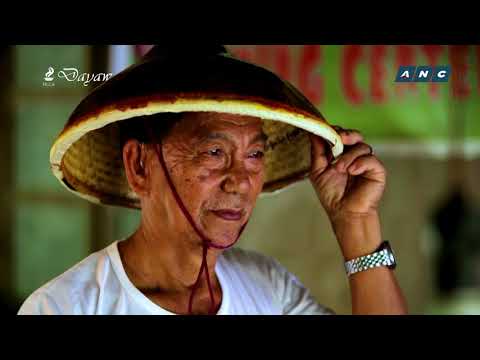
Theophilo Garcia, a hat maker from San Quintin, Abra, has gained recognition for his creation of gourd hats, known as Tabonga. These hats are not merely fashion statements; they represent a deep connection to nature and traditional Filipino craftsmanship. Garcia's process begins with cultivating the perfect gourd, which he then transforms into a functional and aesthetically pleasing hat.
Since receiving the GAMABA award, there has been a resurgence of interest in his craft. Garcia has taken it upon himself to teach the younger generation, integrating hat-making into the school curriculum in his community. His dedication ensures that this tradition will not fade away, as he imparts his knowledge to students, starting from the planting of the gourd to the final product.
Alonzo Sag, awarded in 2000, is a multifaceted artist dedicated to preserving the Kalinga culture. A skilled dancer and musician, Sag's passion extends beyond performance; he is committed to safeguarding the spiritual and social rituals of his people. He has established the Kalinga Budong dance troupe, providing accessible learning opportunities for both Kalinga participants and audiences.
Sag's efforts to organize cultural festivals and workshops have fostered a sense of community and pride among the Kalinga people. His work serves as a reminder of the importance of cultural heritage in shaping identity and fostering unity.
The stories of Magdalena Gayo, Theophilo Garcia, and Alonzo Sag offer valuable lessons that extend beyond their crafts. While we may not master the intricacies of weaving, hat-making, or traditional dance, we can learn from their humility and perseverance. These individuals have chosen to dedicate their lives to their passions, seeking no acclaim or recognition in a world that often overlooks the value of cultural heritage.
Their quiet determination and commitment to preserving their traditions inspire us to appreciate and acknowledge the gifts they have given us. As we navigate a changing world, it is essential to recognize the importance of cultural preservation and the role of these living treasures in enriching our collective identity.
In conclusion, the GAMABA awardees from Northern Luzon remind us of the significance of cultural heritage and the responsibility we hold in ensuring its survival for future generations. Their legacies are not just about the crafts they create but also about the values they embody—values of resilience, community, and the enduring spirit of Filipino culture.