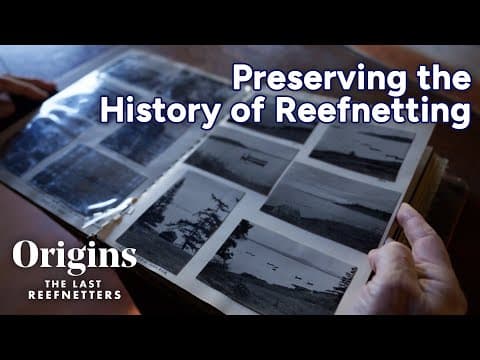
This blog post explores the cultural significance and historical challenges of reefnetting in the Salish Sea, highlighting the efforts of the Lummi Nation and anthropologists to preserve this traditional fishing practice and its connection to Indigenous identity.
The practice of reefnetting in the Salish Sea is not just a fishing technique; it embodies the spirit and economy of the Indigenous peoples of the region, particularly the Lummi Nation. This blog post delves into the cultural significance of reefnetting, the historical challenges faced by the Lummi people, and the ongoing efforts to preserve this vital aspect of their heritage.
Reefnetting is described as a womb, with salmon providing the spark of life that sustains the community through changing seasons. This traditional fishing method was designed specifically for the Salish Sea, where the abundance of salmon created a wealth of resources for the Indigenous peoples. The reefnetting technique is not merely a means of sustenance; it is a profound expression of cultural identity and connection to the land and water.
Despite its significance, reefnetting has faced numerous challenges, particularly from state regulations. In the early 20th century, the State of Washington enacted laws that restricted fishing gear near fish traps, severely impacting the Lummi's ability to fish. In response, the Lummi Nation took legal action against the Alaska Packers Association, asserting their sovereignty and rights to fish in their traditional waters. Unfortunately, the court ruled against them, leading to a decline in traditional fishing practices.
In the 1930s, the state bought back fishing licenses due to overproduction, further complicating the situation for the Lummi people. The loss of fish traps and the legal battles that ensued highlighted the ongoing struggle for Indigenous rights and the preservation of cultural practices.
The field of anthropology has played a crucial role in documenting and understanding the reefnetting tradition. Researchers like Wayne Suttles, who completed his thesis on reefnetters in 1951, sought to capture the essence of this practice and its importance to the community. Suttles' work challenged the notion that Indigenous cultures had assimilated and were no longer relevant, emphasizing instead the continuity and vitality of these traditions.
His son, Cameron Suttles, has continued this legacy, working to publish his father's unpublished research and highlight the significance of reefnetting in contemporary times. This effort reflects a growing interest in indigenizing ethnographic research, allowing Indigenous voices to tell their own stories and reclaim their narratives.
The urgency of preserving the reefnetting tradition is underscored by the experiences of boarding school survivors, who express a deep desire to share their culture before it is lost forever. The fear of cultural appropriation and the loss of identity drives the Lummi Nation to document and celebrate their heritage actively.
Patrick George, a member of the Lummi Nation, recounts how he was welcomed by elders who were eager to share their knowledge, emphasizing the importance of intergenerational connections in preserving cultural practices. The collaboration between the Lummi Nation and researchers aims to ensure that the story of the reefnetters is told authentically and respectfully.
The journey of bringing Wayne Suttles' work to publication has come full circle, as it will be published by a Lummi-owned production company. This collaboration symbolizes a reclamation of narrative and identity, allowing the Lummi people to share their story on their terms. The hope is that through this effort, the reefnetting tradition will not only survive but thrive, fostering a renewed sense of health and connection to the land.
The preservation of reefnetting in the Salish Sea is a testament to the resilience of the Lummi Nation and their commitment to cultural heritage. As they navigate the complexities of history and modernity, the Lummi people continue to honor their traditions, ensuring that the spirit of the reefnetters lives on for future generations. Through collaboration and storytelling, they are not only preserving their past but also shaping a hopeful future for their community.