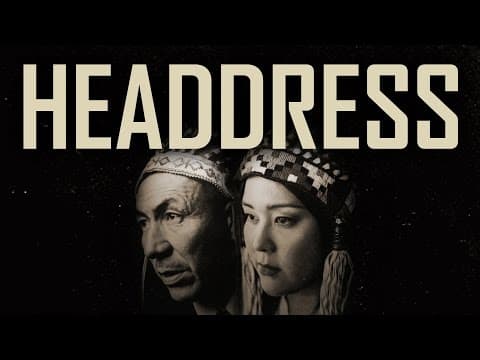
J.J. Neepin, a filmmaker from the Fox Lake Cree Nation, explores the deep cultural significance of headdresses in Indigenous communities while recreating her great-grandfather's portrait. This journey highlights the responsibilities tied to wearing a headdress and the importance of understanding and respecting Indigenous traditions.
In a powerful exploration of identity and heritage, filmmaker J.J. Neepin from the Fox Lake Cree Nation embarks on a journey to recreate her great-grandfather's portrait. This endeavor is not just a personal project; it delves into the profound cultural significance of headdresses within Indigenous communities. Through her narrative, Neepin expresses a blend of excitement and apprehension, recognizing the weight of tradition and responsibility that comes with wearing a headdress.
Neepin describes the headdress as a symbol of leadership, one that is earned through collective acknowledgment and respect. It is not merely an accessory but a representation of one's role within the community. This understanding brings forth a mix of pride and fear for Neepin, as she grapples with the legacy of her ancestors, including her great-grandfather and father, both of whom were Chiefs.
Reflecting on her lineage, Neepin acknowledges the expectations that come with being part of a family of leaders. The decision to recreate her great-grandfather's portrait is both a tribute and a challenge, as she aims to honor her heritage while navigating her own identity as a filmmaker.
Nadya Kwandibens, from Animakee Wa Zhing First Nation, joins Neepin in this project, emphasizing the gravity of wearing a headdress. Kwandibens articulates that a headdress is not a costume or a prop for entertainment; it carries significant responsibilities towards one's nation and community. This perspective is crucial in understanding the cultural context of headdresses, which are often misappropriated in contemporary settings.
Neepin shares her initial ignorance regarding the cultural implications of headdresses, admitting that she once viewed them as merely aesthetic. However, through education and reflection, she has come to recognize the disrespect that can arise when non-Indigenous individuals wear headdresses without understanding their significance. This realization marks a turning point in her journey, as she seeks to educate others about the importance of respecting Indigenous traditions.
As Neepin prepares to wear the headdress, she describes the physical and metaphorical weight it carries. The headdress is not just an object; it embodies the history, struggles, and responsibilities of her people. This moment of putting on the headdress becomes a powerful experience for her, as she feels the collective history resting on her shoulders.
Both Neepin and Kwandibens emphasize the need for open dialogue about Indigenous culture and the significance of symbols like the headdress. Neepin expresses her hope that by sharing her story, she can foster understanding and respect for Indigenous traditions. She believes that many people are willing to learn if approached in a calm and informative manner.
J.J. Neepin's journey to recreate her great-grandfather's portrait serves as a poignant reminder of the importance of heritage and the responsibilities that come with it. Through her exploration of the headdress, she not only honors her ancestors but also invites others to engage in meaningful conversations about Indigenous culture. This narrative underscores the need for respect, understanding, and education in bridging cultural divides and preserving the rich traditions of Indigenous peoples.