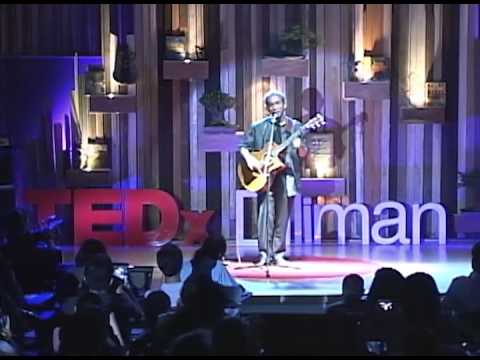
Joey Ayala's TEDxDiliman talk explores the cultural implications of the Philippine National Anthem, suggesting a more positive and engaging way to sing it, while addressing common mispronunciations and the psychological impact of its current rendition.
In a thought-provoking TEDxDiliman talk, musician Joey Ayala delves into the significance of the Philippine National Anthem, "Lupang Hinirang," and how its current rendition may not resonate positively with the Filipino people. He emphasizes the need to rethink how the anthem is sung, addressing both its cultural implications and the psychological effects it has on listeners.
Ayala begins by reflecting on the role of songs in expressing cultural traits that may no longer be appropriate. He shares his fascination with how music can influence behavior and mindset, particularly in the context of national pride and identity.
He recalls the excitement of the first day of school, filled with new supplies and experiences, contrasting this with the somber nature of the anthem, which often evokes thoughts of sacrifice and death. Ayala suggests that this association may lead to what he describes as "grave psychological damage" among listeners, particularly the youth.
Ayala critiques the martial rhythm of the anthem, stating that the Philippines does not naturally march in a 1-2-3-4 beat. He argues that Filipinos are more fluid and gentle, which is reflected in their music and cultural expressions. He proposes that the anthem should be sung in a way that aligns with the Filipino spirit, suggesting a more melodic and flowing approach.
One of the key points Ayala raises is the frequent mispronunciation of lyrics in the anthem. He humorously points out how certain phrases, such as "sa dagat at bundok" and "may dilag ang tula," can be confusing, especially for children. He emphasizes the importance of clarity in the lyrics, advocating for a version that is easier to understand and sing correctly.
Ayala proposes a reimagined version of the anthem that focuses on positivity and love rather than sacrifice. He suggests replacing the somber ending with uplifting lines that encourage love and unity. For instance, he envisions lines like "Ang magpayaman ng dahil sa yo" (To prosper because of you) and "Ang magmahal ng dahil sa yo" (To love because of you), promoting a message of hope and togetherness.
To illustrate his point, Ayala invites the audience to participate in singing the anthem with a new rhythm and a more positive message. He encourages them to embrace a sense of community by suggesting a group hug after singing, transforming the experience into one of joy and connection rather than solemnity.
Joey Ayala's TEDxDiliman talk serves as a powerful reminder of the impact that national symbols, like the anthem, have on collective identity and emotional well-being. By rethinking how "Lupang Hinirang" is sung, Ayala advocates for a version that reflects the true spirit of the Filipino people—one that is vibrant, loving, and united. Through this reimagining, he hopes to foster a deeper sense of pride and connection among Filipinos, encouraging them to embrace their identity with joy and positivity.