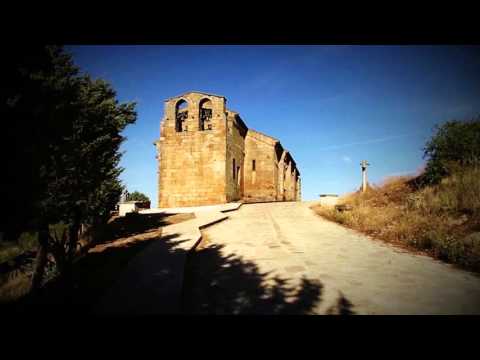
The Atlantic Romanesque Plan aims to restore and preserve Romanesque churches across Spain and Portugal, enhancing their cultural significance and promoting sustainable tourism in the region.
The Atlantic Romanesque Plan is a significant initiative aimed at preserving the rich cultural heritage of Romanesque architecture in the regions of Zamora and Salamanca in Spain, as well as in the Portuguese regions of Vila Real and Bragança. Launched in 2010, this cross-border program focuses on restoring churches and temples while revitalizing their surroundings, ensuring that these historical structures remain a testament to human artistry and culture.
The primary goal of the Atlantic Romanesque Plan is to conserve the cultural legacy of these Romanesque structures. This initiative is driven by the Junta de Castilla y León, Iberdrola, and the Secretary of State for Culture of Portugal, in collaboration with the Santa María la Real Foundation. The plan emphasizes two key aspects:
The restoration efforts under the Atlantic Romanesque Plan have led to significant improvements in various churches and temples. Here are some notable examples:
Located in the natural park of Lake Sanabria, the Church of San Martín has been transformed into a comfortable space with heated benches and enhanced lighting that highlights its architectural value.
Visitors to the Church of Santa Marina are greeted by an impressive retablo, restored to showcase its original brilliance. The careful restoration process has also enhanced the visibility of the church's intricate wooden ceiling.
This church has seen the recovery of its unique Romanesque portal, which connects the nave to the cemetery. New alabaster windows allow natural light to flood the interior, accentuating the artistic elements, including the main altarpiece.
This Visigothic gem has been preserved through roof renovations and the installation of a sensor system that addresses humidity issues, ensuring its continued conservation.
Nestled in the Arribes del Duero Natural Park, this church now features improved lighting that enhances its baptismal font and side altarpieces, while a humidity control system helps maintain the integrity of the artworks.
The interior of the Church of San Juan has been revitalized with restored side altarpieces and a modern lighting and sound system, alongside humidity sensors to protect the structure.
Overlooking Hinojosa de Duero, this hermitage houses a significant image for the local community. New lighting and sensor systems create a warm interior while preventing condensation.
Upon entering this church, visitors are welcomed by a beautifully lit nave, with alabaster windows that enhance ventilation and reduce humidity.
This ancient site, built over 2000 years ago, has undergone significant upgrades, including translucent windows that allow light while preserving the structure's integrity.
In the village of Covas do Barroso, this church has been restored to highlight its historical value, with new security systems and lighting to showcase its murals.
The Atlantic Romanesque Plan not only focuses on the restoration of these churches but also aims to revitalize the surrounding areas. Each restoration project positively influences sustainable development by creating jobs and promoting tourism. Local residents have noted an increase in visitors, which has revitalized interest in these historically rich yet sparsely populated regions.
The Atlantic Romanesque Plan is a collaborative effort that seeks to preserve and promote the cultural heritage of Romanesque architecture in Spain and Portugal. By restoring these historical sites and enhancing their surroundings, the plan not only safeguards the past but also fosters a sustainable future for local communities. This initiative serves as a reminder of the importance of cultural preservation and the collective responsibility to maintain our historical legacy for future generations.