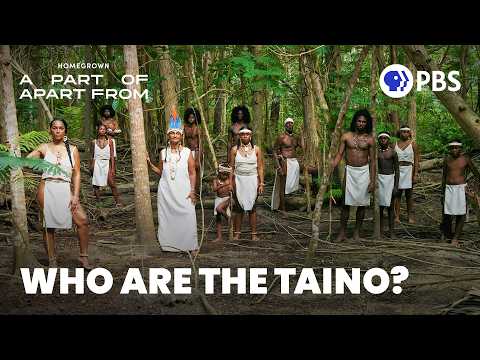
This blog post explores the journey of rediscovering Taino identity through personal stories, historical context, and the ongoing efforts to revive Taino culture and heritage in the Virgin Islands.
The Taino people, once the most populous indigenous group in the Caribbean, have long been thought to be extinct. However, a growing movement among descendants is challenging this narrative, emphasizing resilience and cultural revival. This blog post delves into the personal journey of a woman who discovered her Taino roots and the broader efforts to reclaim Taino identity and heritage.
The journey begins at a family memorial, where a cousin reveals a surprising truth: "We are Taino." This revelation ignites a quest for knowledge about the Taino people, who inhabited the Greater Antilles long before European colonization. The Taino were distinct from the Caribs, another indigenous group, and were the original inhabitants of the Virgin Islands.
For years, the narrator believed her family represented the Carib Indians during carnival celebrations. However, learning about her Taino heritage opened a new chapter in her life. She began researching the Taino people, discovering organizations like the United Confederation of Taino People, which helped her connect with her roots.
Roberto Mukaro Borrero, a kasike (chief) of the Guainia Taino Tribe of Puerto Rico, plays a pivotal role in this revival. He emphasizes the importance of recognizing the Taino people not just as a tribe but as a nation. The historical context is crucial; when Columbus arrived in 1492, there were approximately 5 million Tainos, but by 1519, their numbers had plummeted to around 50,000 due to genocide and disease.
October 12, the day Columbus arrived, is a painful reminder of the genocide faced by the Taino. For many, it symbolizes oppression, but for the Taino community, it also represents resilience and the ongoing struggle against colonialism. The narrator reflects on her ancestors' strength and the importance of sharing their stories with future generations.
The narrator recounts her great-grandmother, Francisca Almestica, who was taken to Salt Island at a young age. This personal connection deepens her commitment to preserving Taino history. She feels a responsibility to tell her great-grandmother's story and honor her legacy.
The narrator's quest for recognition as a Taino tribe leads her to the Office of Historic Preservation. After years of effort, she receives the long-awaited email confirming the recognition of the Guainia Taino Tribe of the Virgin Islands. This milestone is not just a personal victory but a significant step for the entire Taino community.
With recognition comes the opportunity to reclaim land and establish a Taino village. This village would serve as a cultural hub, teaching children about their heritage and history. The idea of land back is crucial for the Taino people, as it represents a chance to reconnect with their roots and foster a sense of community.
Plans for the Taino village include creating a demonstration site that reflects Taino culture and history. Discussions with local officials highlight the archaeological significance of potential sites, reinforcing the importance of preserving Taino heritage.
The narrator emphasizes that being Taino transcends physical appearance; it is about heritage, culture, and connection to ancestors. She expresses a desire for her children to embrace their Taino identity and carry forward the legacy of their ancestors.
Ultimately, the narrator hopes to pass down the honor of being kasike to her children, ensuring that the Taino culture continues to thrive. This vision of the future is rooted in pride, knowledge, and a deep connection to the past.
The journey of rediscovering Taino identity is a powerful testament to resilience and cultural revival. As descendants reclaim their heritage, they challenge the narrative of extinction and celebrate the enduring spirit of the Taino people. Through education, community, and recognition, the Taino legacy is not only preserved but revitalized for future generations.