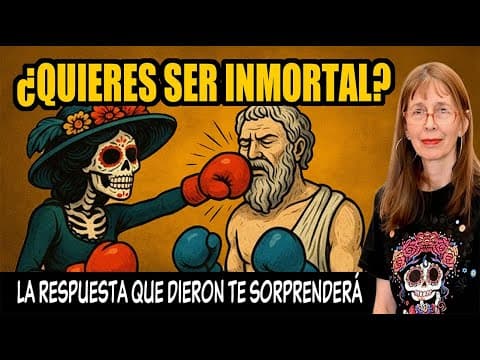
On her 66th birthday coinciding with Mexico's Day of the Dead, philosopher Roxana Crier shares profound reflections on death, immortality, and the human condition. Through personal stories, philosophical insights from Stoicism and other traditions, and cultural observations, she encourages embracing mortality with humor, gratitude, and philosophical wisdom to live a meaningful life.
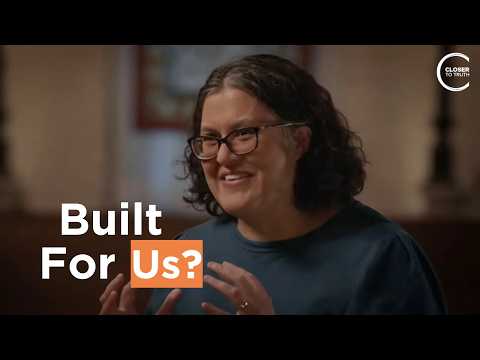
Roxana Crier, a renowned philosopher, celebrated her 66th birthday on November 2nd, coinciding with Mexico's traditional Day of the Dead. This unique timing inspired a deep reflection on death, immortality, and the meaning of life. Roxana's visit to Mexico was long-awaited, and her presence was warmly welcomed by many who admire her courageous and objective approach to contemporary social and philosophical issues.
The author first encountered Roxana's work during a difficult emotional period. A student introduced videos of Roxana and Camil Paglia, whose candid and data-driven discourse resonated deeply. Roxana challenges prevailing hegemonic narratives with scientific rigor and advocates for objective understanding as a foundation for social transformation and equality.
The author invited Roxana to speak at their university, eager to share her perspective with students who often repeat radical but unexamined ideas. Despite delays caused by the COVID-19 pandemic and personal circumstances, Roxana's visit finally materialized, culminating in a forum at the Fondo de Cultura Económica in Mexico.
Roxana has authored seven books, with her latest titled "Cómo arruinarse la vida estando filosófico" (How to Ruin Your Life While Being Philosophical). She critiques the academic isolation of philosophy, emphasizing that philosophy should be accessible, lively, and relevant to everyday life. Drawing from ancient traditions, she believes philosophy is made in the streets and through dialogue, not confined to technical jargon or academic congresses.
Roxana admires Mexico's unique approach to death, which contrasts with many cultures that treat death with fear and solemnity. The Day of the Dead is a celebration that desdramatizes death through humor, art, and communal remembrance. Phrases like "El muerto al cajón y el vivo al fiestón" (The dead to the coffin and the living to the party) reflect this joyful acceptance.
She recounts how, as a child, her birthdays coinciding with this day were somber, with classmates dressed in black and offering condolences. Over time, she embraced the Mexican tradition as a profound philosophical lesson on accepting mortality.
Roxana explores various philosophical views on death:
Roxana highlights that death is often misunderstood and feared because it is unknown and unexperienced. However, embracing death can enrich life.
Roxana shares her own struggles with a chronic digestive illness (SIBO) that caused severe pain and uncertainty. This experience deepened her appreciation for the importance of laws like euthanasia to alleviate unbearable physical suffering. She emphasizes that health is not solely the domain of specialists but involves personal knowledge and advocacy.
Roxana conducted a Twitter poll asking if people would want to be immortal. Surprisingly, most preferred mortality, valuing the natural cycle of life and death. She discusses the societal implications of immortality, such as stagnation and the persistence of prejudices. Death allows for renewal and progress.
Roxana recounts a study she conducted on how people's valuation of public figures changes after death, often becoming more nuanced and forgiving. She reflects on personal regrets about not learning more about her family history before her grandmother passed away.
She also shares humorous epitaphs and last words, illustrating how humor can soften the finality of death.
When asked for three major points to share, Roxana recommends:
She encourages reading accessible philosophers like Epictetus, Seneca, Alain de Botton, and others who make philosophy practical.
Roxana hopes to be remembered with humor and a smile, reflecting her approach to life and death.
The forum concluded with reflections on the importance of celebrating life fully, acknowledging death without fear, and using philosophy to navigate the human condition. Roxana's visit to Mexico on the Day of the Dead symbolizes a bridge between cultures and ideas, inviting all to reconsider their relationship with mortality.
This comprehensive dialogue with Roxana Crier offers profound insights into death, immortality, and living well. Her blend of personal experience, cultural appreciation, and philosophical wisdom provides a valuable guide for anyone seeking to understand and embrace the inevitable with courage and grace.