The Akha tribe in Laos is a community deeply rooted in tradition, facing the challenges of modernity while striving to maintain their cultural identity. This blog post explores their daily lives, customs, and the generational shift as younger members seek opportunities beyond their remote village.
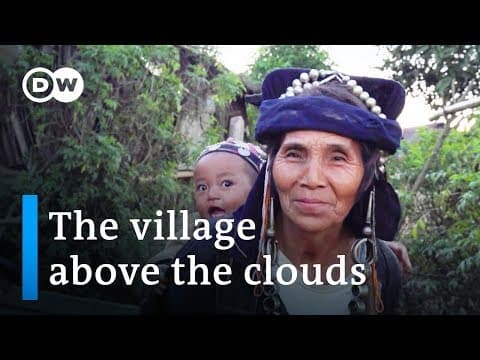
In a remote village high above the clouds in Laos, the Akha tribe lives a life that seems untouched by time. This community speaks its own language and adheres to age-old traditions while gradually stepping into the wider world. This blog post delves into the daily lives of the Akha people, their customs, and the challenges they face as modernity encroaches upon their traditional way of life.
Today is a special day for one Akha family as they prepare for a long-awaited family photo. The youngest son, Kieng Lom, has been living away from the village since he was 11, attending school in the valley. His family hopes he will pave the way for a better future for the younger generation.
The day begins early for the women of the family, who start a fire and prepare meals while tending to their pigs. Occasionally, they sell a pig to neighbors to support Kieng Lom's education. The family primarily engages in subsistence farming, relying on their crops for sustenance.
Fetching wood is a task designated for women, who often carry heavy loads while spinning cotton. Traditionally, Akha women did not wear shoes, a practice that Yuchoy, the matriarch, continues to uphold.
Yuchoy shares her life story, revealing the hardships she faced after her father's death. She took on traditionally male roles, working tirelessly to provide for her family. Her experiences reflect the resilience of Akha women, who balance domestic responsibilities with agricultural work.
The family gathers for meals in a structured manner, reflecting their customs. Twelve members live under one roof, and their daily routines are steeped in tradition. The village elder, a former chief and shaman, plays a crucial role in maintaining the community's spiritual health. He performs rituals to ward off evil spirits, demonstrating the tribe's deep connection to their beliefs.
When a child falls ill, the shaman is called upon to perform a ritual to protect the child’s soul. This involves luring evil spirits into a paper doll, showcasing the tribe's unique approach to healing and spirituality. Despite modern medicine, the villagers often rely on traditional practices, highlighting the tension between old and new.
The Akha tribe has maintained its traditions for centuries, but the influence of modern life is palpable. Kieng Lom's aspirations to attend university reflect a generational shift. He dreams of a career in IT or law enforcement, but financial constraints loom large. His father, who once served in the military, hopes for a better future for his son, yet fears the loss of their cultural identity.
The village chief has proposed relocating the community to access better resources like roads, electricity, and healthcare. However, many villagers resist this change, fearing it will sever their ties to their culture. This dilemma encapsulates the broader struggle faced by indigenous communities worldwide as they navigate the pressures of modernization.
The Akha people adhere to strict cultural taboos, particularly regarding childbirth. The birth of twins is considered a curse, leading to severe social repercussions for the parents. This taboo illustrates the deep-rooted beliefs that govern their lives, emphasizing the importance of tradition in their identity.
Funeral practices among the Akha are elaborate and signify the deceased's status within the community. The more prosperous the individual, the longer the funeral ceremony lasts, with numerous animal sacrifices performed to ensure a prosperous afterlife. These rituals reinforce the community's values and beliefs about life and death.
As the Akha tribe in Laos stands at the crossroads of tradition and modernity, their story is one of resilience and adaptation. While younger generations like Kieng Lom seek opportunities beyond the mountains, the elders strive to preserve their cultural heritage. The balance between embracing change and honoring tradition will shape the future of the Akha people, ensuring their unique identity endures in an ever-evolving world.