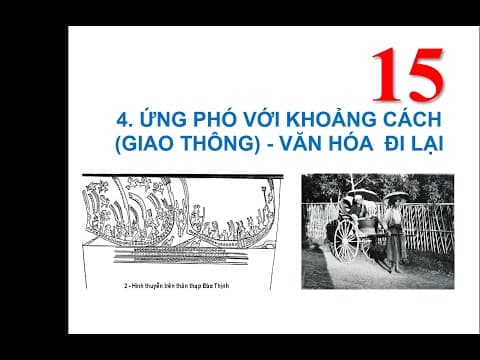
Vietnam's transportation culture is deeply rooted in its geography, with a strong emphasis on waterway transport due to the country's extensive river systems and coastal areas. This blog explores the historical and cultural aspects of transportation in Vietnam, highlighting the importance of waterways, traditional vessels, and their influence on Vietnamese customs and practices.
Transportation in Vietnam is a reflection of the country's unique geography and cultural heritage. With a vast network of rivers and a long coastline, waterway transport has historically played a crucial role in the movement of people and goods. This blog delves into the various aspects of transportation in Vietnam, focusing on the dominance of waterways and the cultural implications of this mode of transport.
In Vietnam, waterway transport has been the primary means of travel and trade for centuries. The country's intricate system of rivers and canals has made it possible for communities to thrive along these waterways. Historical texts, such as the Lịch năm chích quái, indicate that ancient Vietnamese were skilled swimmers and adept at navigating the waters, which underscores the significance of water transport in their daily lives.
The distinction between northern and southern transportation methods is notable. While the northern regions, particularly China, relied heavily on horse-drawn carriages, the southern regions, including Vietnam, favored boats. This difference is encapsulated in the phrase "Nam di chu Bắc di mã," meaning that the south traveled by boat while the north traveled by horse.
Even in royal contexts, water transport was paramount. Vietnamese emperors traveled by boat, with the dragon boat symbolizing imperial power. This contrasts sharply with the northern Chinese emperors, who utilized horse-drawn chariots.
Water transport in Vietnam has evolved over time, with various types of vessels being used. From ancient times, boats have been depicted on artifacts such as the Đông Sơn bronze drums, showcasing the importance of maritime culture. Traditional vessels like the thuyền be (small boats) and larger ships have been integral to Vietnamese life.
The craft of boat building has given rise to specialized trades, such as the boat-making industry in Cần Đước, Long An. Boats are often personified in Vietnamese culture, with practices such as painting eyes on boats to give them a soul. This deep connection to watercraft is also reflected in Vietnamese art and architecture, where boat motifs appear in various forms.
Water transport is not only a means of travel but also a significant aspect of Vietnamese festivals and customs. Boat racing festivals, such as the lễ hội đua ghe Ngo and lễ hội bả trạng, celebrate the cultural heritage tied to waterways. These events highlight the community's connection to water and the skills associated with navigating it.
The significance of water transport extends to funerary customs as well. The Vietnamese belief in the afterlife is often linked to waterways, with rituals involving boat rowing to guide the deceased to their final resting place. This practice illustrates the deep-rooted connection between water and the cycle of life and death in Vietnamese culture.
While water transport has been dominant, land transport has also played a role in Vietnam's transportation history. The Đường Cái Quan, also known as the "Heavenly Road," was established during the Lý dynasty and further developed under the Nguyễn dynasty. This road connected the north and south of Vietnam but was primarily used for foot travel and horse-drawn carts, making it less efficient than waterways.
The geographical challenges of Vietnam, with its mountainous terrain and dense river systems, have hindered the development of an extensive road network. Consequently, land transport has often relied on manual labor and animal power for the movement of goods, which remains a common practice in rural areas.
In summary, the transportation culture in Vietnam is intricately linked to its geography and historical context. Waterways have been the lifeblood of Vietnamese society, shaping not only the means of travel and trade but also influencing cultural practices, customs, and beliefs. As Vietnam continues to modernize, the legacy of its rich transportation heritage remains a vital part of its identity, reflecting the enduring relationship between the Vietnamese people and their environment.