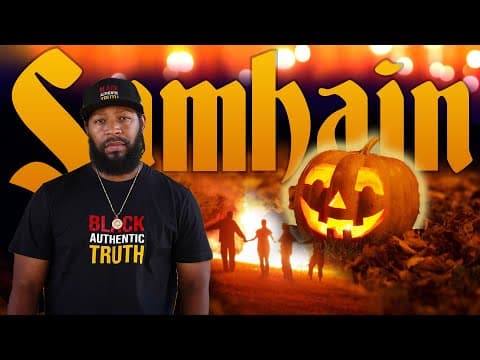
Halloween, rooted in the ancient festival of Samhain, has deep pagan and satanic origins that many celebrate without understanding. This blog explores the historical practices associated with Samhain, including sacrifices, rituals, and the transformation of the holiday into what we know today as Halloween.
Halloween is a holiday celebrated by millions, yet many do not understand its origins or the significance behind the traditions. As a cultural phenomenon, Halloween has evolved over time, but its roots lie in the ancient festival of Samhain, a time marked by pagan rituals and beliefs.
Halloween, celebrated on October 31st, is a day filled with costumes, trick-or-treating, and spooky decorations. However, for many, the question remains: why do we celebrate this holiday? The original name for Halloween was Samhain, a festival that began at sundown on October 31st and marked the transition from summer to winter.
Samhain was celebrated by the ancient Druids and Celts and signified the end of the harvest season and the onset of winter. During this time, communities would gather their harvests and prepare for the cold months ahead. The festival was not just a celebration; it was also a time of ritualistic practices, some of which were quite dark.
One of the more disturbing aspects of Samhain was the practice of sacrificing kings. In years of poor harvests or drought, it was believed that the king could be sacrificed to appease the gods. Archaeological findings in Ireland have uncovered evidence of such practices, where the remains of kings were found preserved in bogs, indicating that these sacrifices were a common occurrence.
Fire played a significant role in the Samhain festivities. Bonfires were lit, and various rituals were performed, including jumping over the fire and even throwing individuals into the flames as sacrifices. This connection to fire was believed to ward off evil spirits.
During Samhain, it was believed that the veil between the living and the dead was thin, allowing spirits to roam freely among the living. To protect themselves from these spirits, people would leave food outside their doors or even prepare a place for the spirits to rest. This practice was rooted in the fear of malevolent spirits causing harm.
The tradition of wearing costumes during Halloween can be traced back to the fear of these spirits. People believed that by dressing as spirits themselves, they could avoid detection and thus protect themselves from harm. Costumes were often made from animal skins and skulls, reflecting the harsh realities of the season.
As time progressed, the festival of Samhain underwent significant changes. Pope Boniface VI transformed it into All Saints Day, also known as All Hallows' Eve, which eventually morphed into Halloween. Despite these changes, the underlying pagan and satanic elements remained.
Anton LaVey, the founder of the Church of Satan, expressed his views on Halloween, stating that participating in the holiday signifies a willingness to allow Satan to influence one's life. He noted that by adopting pagan practices, individuals unknowingly submit themselves to these dark influences. LaVey's perspective raises questions about the implications of celebrating Halloween, especially for those who may not be aware of its origins.
For many, Halloween is simply a fun holiday for children, filled with candy and costumes. However, it is essential to reflect on the deeper meanings and historical practices associated with this day. As a community, particularly within the Black community, there are valid reasons to reconsider the celebration of Halloween. The holiday is steeped in paganism and satanic rituals that may not align with cultural values.
Additionally, the tradition of trick-or-treating raises safety concerns. Parents often send their children to strangers' homes, which contradicts the lessons taught about stranger danger. This juxtaposition highlights the need for a critical examination of the practices surrounding Halloween.
As we approach Halloween, it is crucial to understand its origins and the historical significance of Samhain. While many enjoy the festivities, being informed about the darker aspects of this holiday can lead to more meaningful discussions about cultural practices and safety. Ultimately, the choice to celebrate or not lies with the individual, but knowledge is power in making that decision.