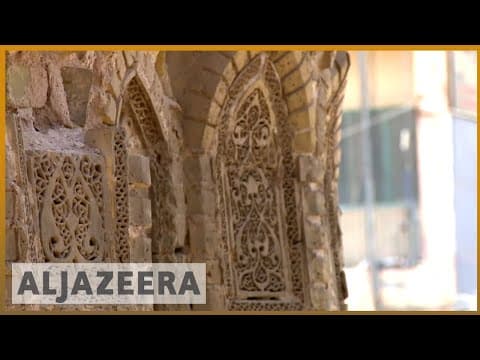
Iraq's rich cultural heritage is deteriorating due to neglect, violence, and a struggling economy. Key historical sites, including the Wazir Mosque and the Caliph's Mosque, face severe damage and abandonment, highlighting the urgent need for preservation efforts to protect Iraq's national identity.
Iraq, a country steeped in history, is witnessing the slow decay of its cultural heritage. From ancient mosques to significant monuments, the remnants of a glorious past are fading away, largely due to neglect and the aftermath of conflict. This blog post explores the current state of Iraq's heritage buildings and the urgent need for preservation efforts.
The Wazir Mosque, built in 1660, stands as a poignant reminder of Baghdad's golden days. However, what remains today are cracks in the arches and fading tiles, showcasing the mosque's deteriorating condition. This site, once a vibrant center of worship, now reflects the broader neglect of Iraq's cultural landmarks.
Another significant structure is the Victorian facade of the old governorate building in Baghdad. Damaged during the 2003 US invasion, this building has been abandoned ever since. Located in an area that was part of the Ottoman military complex along the Tigris River, its decrepit state symbolizes the neglect of Iraq's rich cultural heritage.
Kathy Ramanujan highlights that many people today are unaware of the importance of these historical sites. The reason for this ignorance stems from years of violence and internal fighting, which have weakened the Iraqi government. As a result, preservation efforts have taken a backseat to more immediate concerns, such as providing basic services to the population.
The Caliph's Mosque compound, over a thousand years old and built by the Abbasid caliphs, is another site in distress. The minaret, the only original structure left, has developed a dangerous tilt, prompting the government to seal the mosque. Unfortunately, there are no substantial efforts being made to repair it, leaving worshippers to pray in the courtyard, fearing that the minaret could collapse.
Ahava Hill Al Kebaya emphasizes the need to value not only religious sites but also historic locations like the Assyrian and Babylonian sites. These sites are crucial for strengthening Iraq's national identity, which has been blurred by years of sectarian strife, corruption, and mismanagement. The preservation of these sites is essential for fostering a sense of unity and pride among Iraqis.
The Martyrs Monument, built in the 1980s to honor fallen Iraqis, has also fallen victim to neglect. Once a symbol of national pride, it is now claimed by various government departments, complicating its preservation. The monument was used by US forces and later by the Iraqi military as a base, further contributing to its deterioration.
Iraq's museums and libraries, once repositories of knowledge and culture, have also suffered greatly. Many were looted, and today, the halls remain empty, with the general public barred from entry. This loss of access to cultural resources further erodes the connection between the Iraqi people and their rich history.
As the rich tapestry of Iraq's ancient and modern history fades, there is a growing fear that without immediate action, these cultural treasures could be lost forever. The need for preservation efforts is more urgent than ever, not only to protect these sites but also to restore a sense of national identity and pride among the Iraqi people.
In conclusion, the deterioration of Iraq's heritage buildings is a pressing issue that requires attention and action. By valuing and preserving these sites, Iraq can reclaim its cultural legacy and foster a stronger national identity for future generations.