This blog post explores the cultural shift away from using decade names to describe time, examining how this change affects our collective memory and understanding of cultural experiences. It argues for the revival of decade terminology to foster a sense of shared history and connection among generations.
As we find ourselves in 2025, many of us feel as though time has become a blur, with the pandemic seeming both recent and distant. This strange sensation of time slipping away has led to a cultural phenomenon: the fading use of decade names to describe our experiences. In this post, we will explore how this linguistic shift has altered our perception of time and culture, and why it matters.
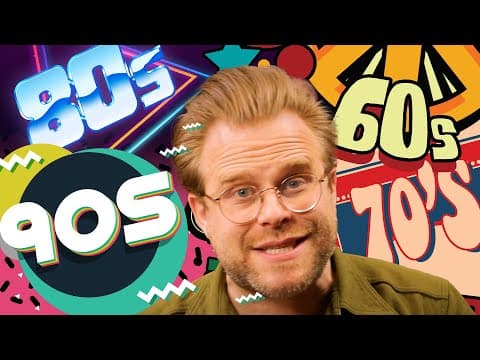
Historically, decades have served as significant markers in our cultural timeline. Terms like "The Roaring 20s," "The Swinging 60s," and "The No Soup for You 90s" encapsulated the essence of those eras, allowing us to easily recall the styles, music, and societal norms associated with each period. For instance, when asked to visualize the 70s, many immediately think of bell bottoms and disco, while the 90s evoke memories of iconic shows like "Saved by the Bell."
These decade names provided a shorthand for discussing cultural shifts and societal changes, creating a shared understanding of our collective experiences. However, this practice has diminished significantly over the past two decades.
As we transitioned into the 2000s, a notable change occurred: we began to lose our vocabulary for describing decades. The turn of the millennium brought about a lack of consensus on what to call the 2000s, leading to terms like "the naughties" that never gained traction. Instead, we simply stopped referring to the decade altogether.
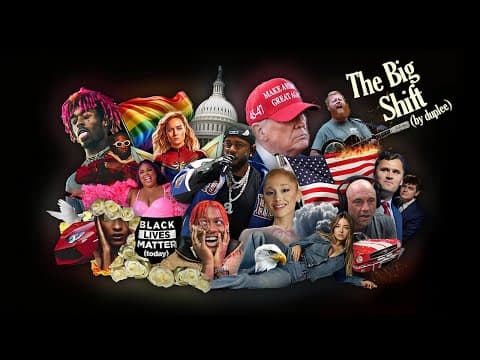
When the 2010s arrived, we faced a similar dilemma. While we could technically refer to the years as the "teens," this term lacked the cultural resonance of previous decades. Consequently, the 2010s passed without a widely accepted name, and now, as we navigate the 2020s, we find ourselves in a similar situation. The term "the 20s" often conjures images of the 1920s rather than our current era.
This shift has led to a reliance on generational language, categorizing cultural phenomena as "Millennial" or "Gen Z" trends. While generational labels can be useful, they often emphasize differences rather than shared experiences. This focus on generational divides can alienate us from one another, as it suggests that cultural participation is limited to specific age groups.
The way we talk about time has profound implications for how we perceive it. Linguistic studies suggest that the words we use shape our understanding of the world. For example, speakers of languages with rich vocabulary for smells can identify and describe scents more effectively than those with limited terminology. Similarly, the absence of decade names has hindered our ability to articulate and recognize cultural shifts.
In English, we often conceptualize the past as behind us and the future as ahead. However, other languages, such as Amara, frame time differently, affecting how speakers perceive and discuss it. This highlights the importance of language in shaping our understanding of time and culture.
The loss of decade names has not only made it difficult to communicate about cultural changes but has also led to a focus on significant traumatic events to define our eras. Terms like "post-9/11" or "post-pandemic" dominate our discussions, overshadowing the myriad of experiences that also characterize these times. This focus on trauma can create a bleak perception of our recent history, neglecting the lighter, more joyful moments that also define our shared culture.
To counter this trend, we should advocate for the revival of decade names. By reintroducing these terms, we can foster a sense of shared understanding and connection among generations. We can reclaim the narrative of the 2020s, defining it through our collective experiences rather than allowing it to be overshadowed by tragedy.
As we move forward, let us embrace the idea of the 2020s as a decade that belongs to all of us. We have the opportunity to shape its identity through our actions, words, and shared experiences. Whether it’s through fashion, music, or cultural events, we can create a vibrant narrative for this decade that reflects both the challenges and triumphs we face together. So, let’s officially welcome the 20s and all the possibilities they hold for our collective future.